




Authentic Greek Travel Destinations — Peloponnese, Nafpaktos & Attica
Not the Greece of postcards.Three regions. One Greece. Yours to discover
- Catherine Papaioannou
Not the Greece of postcards. Not the Greece of crowded beaches and souvenir shops. This is the Greece that locals know — layered with history, alive with flavour, and still beautifully, quietly itself. I’ll take you there.
Each destination I work with has something that can’t be googled: a story, a taste, a silence, a view that you only find if someone who loves that place shows you the way. That’s what I’m here for.
Laconian Adventures
"Where history is carved in stone and flavour runs deep."
Overview
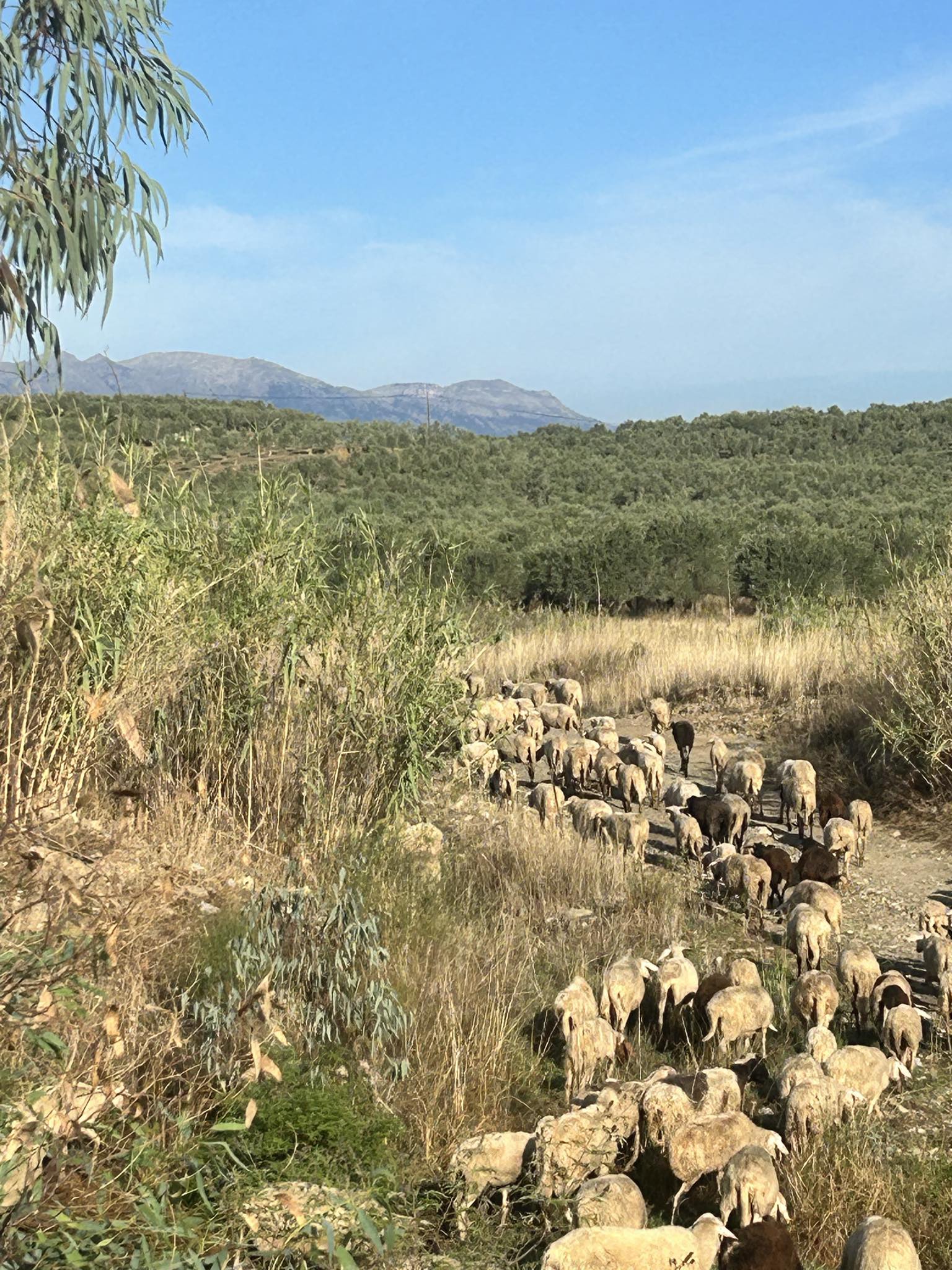
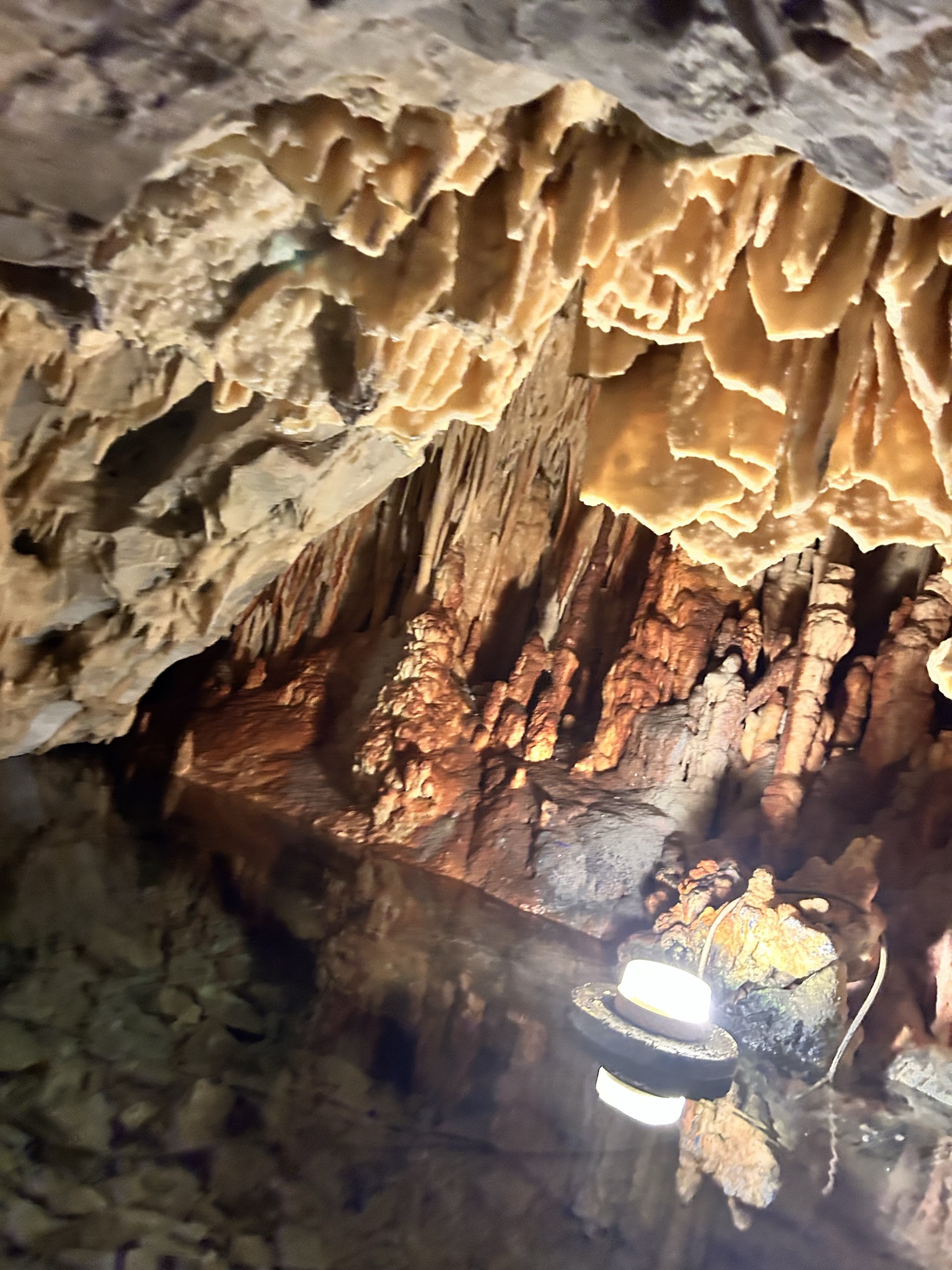
Laconia is not a destination — it is a state of mind. This is the land of the ancient Spartans, of Byzantine ghost towns perched on mountain ridges, of villages that still make their own olive oil, their own wine, their own cheese. It is rugged, proud, and hauntingly beautiful.
Most visitors to Greece never make it this far south. That is exactly why you should.
What Makes It Real
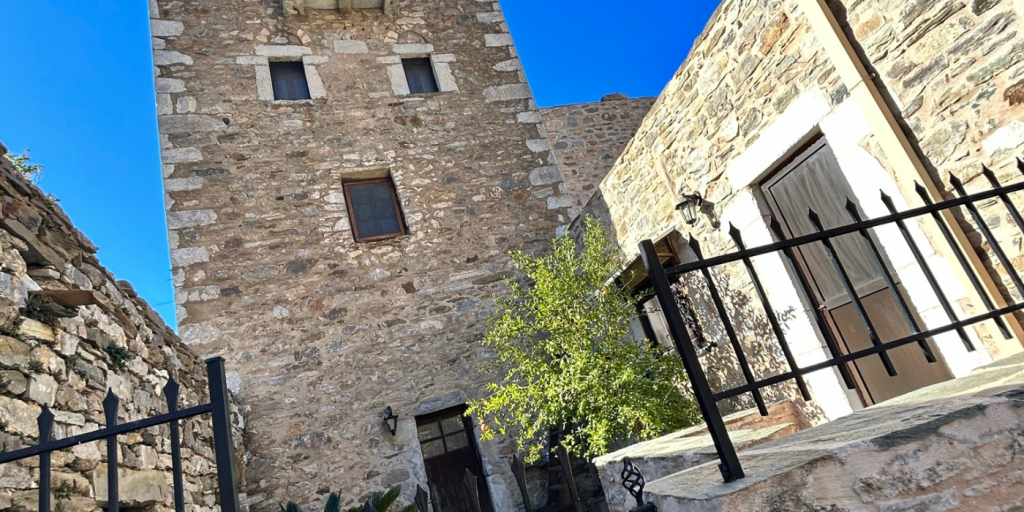
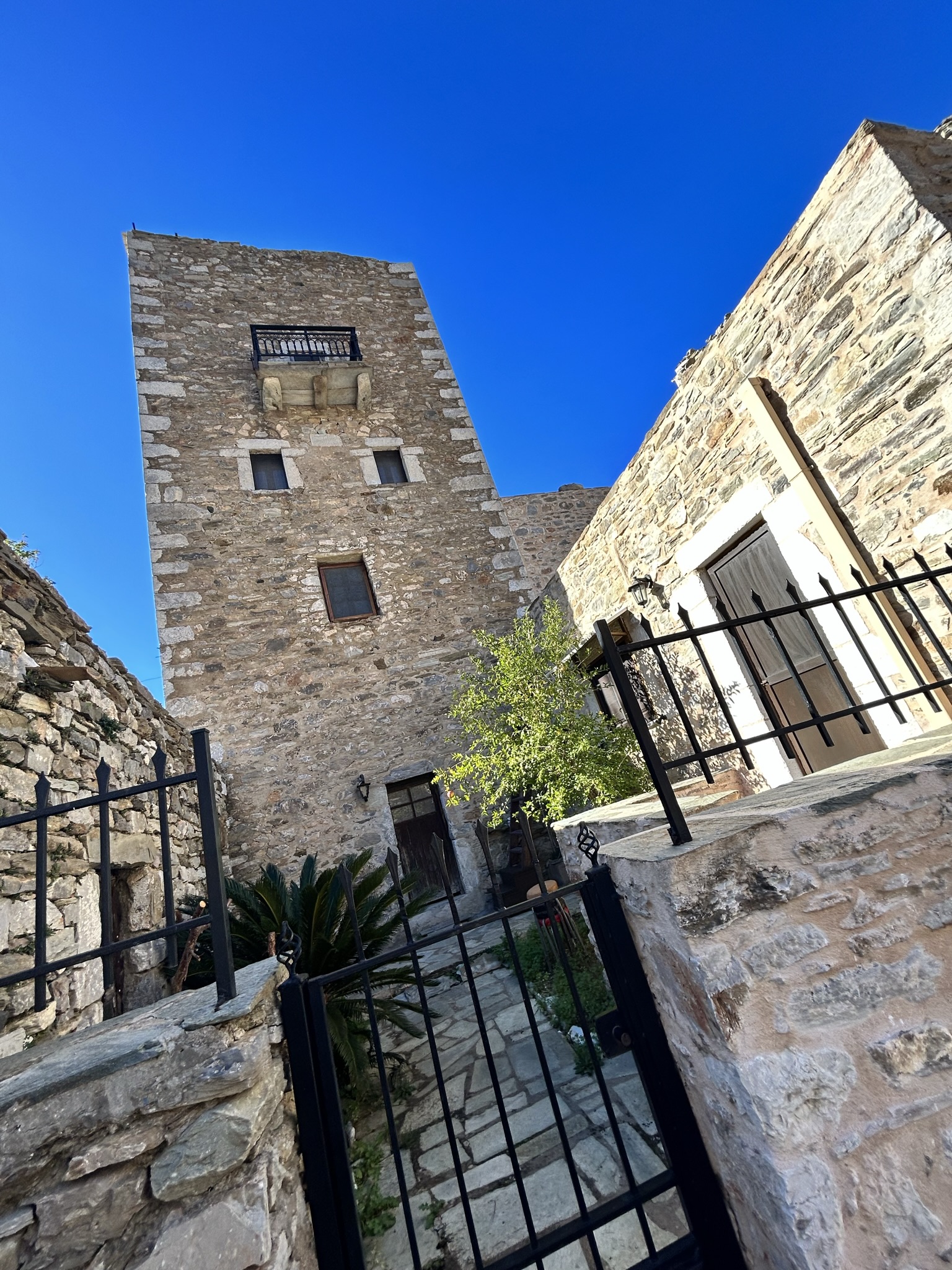
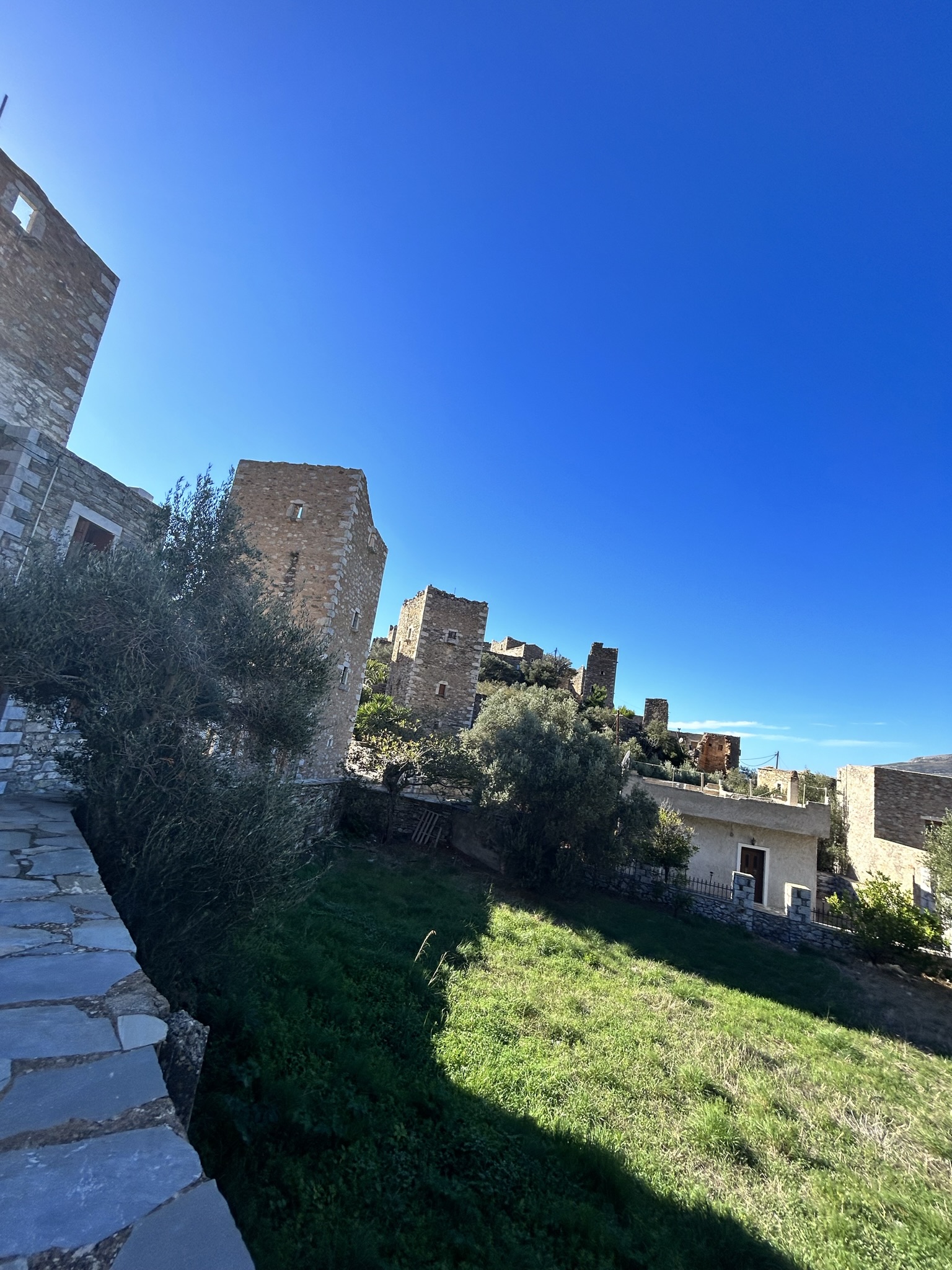
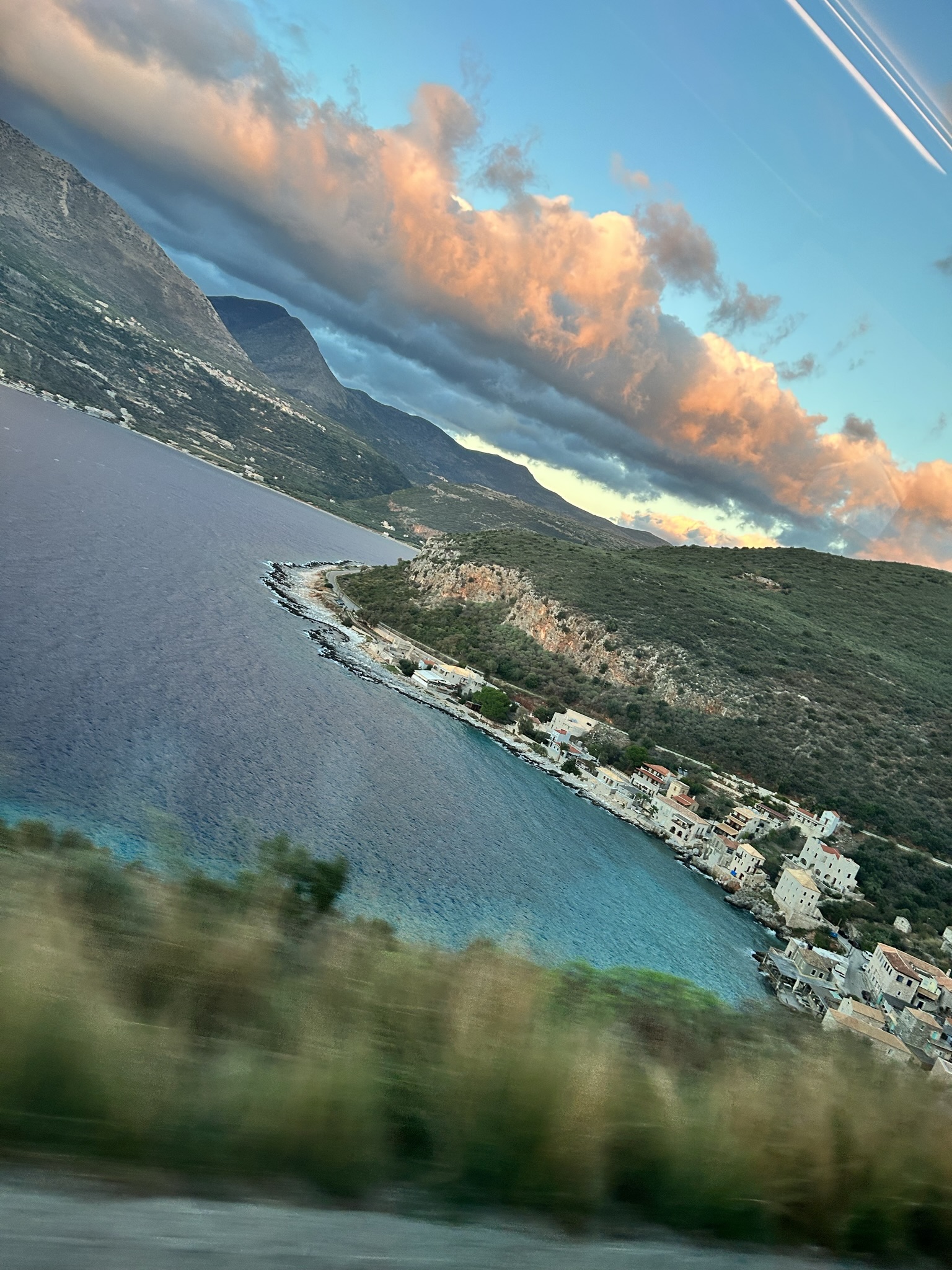
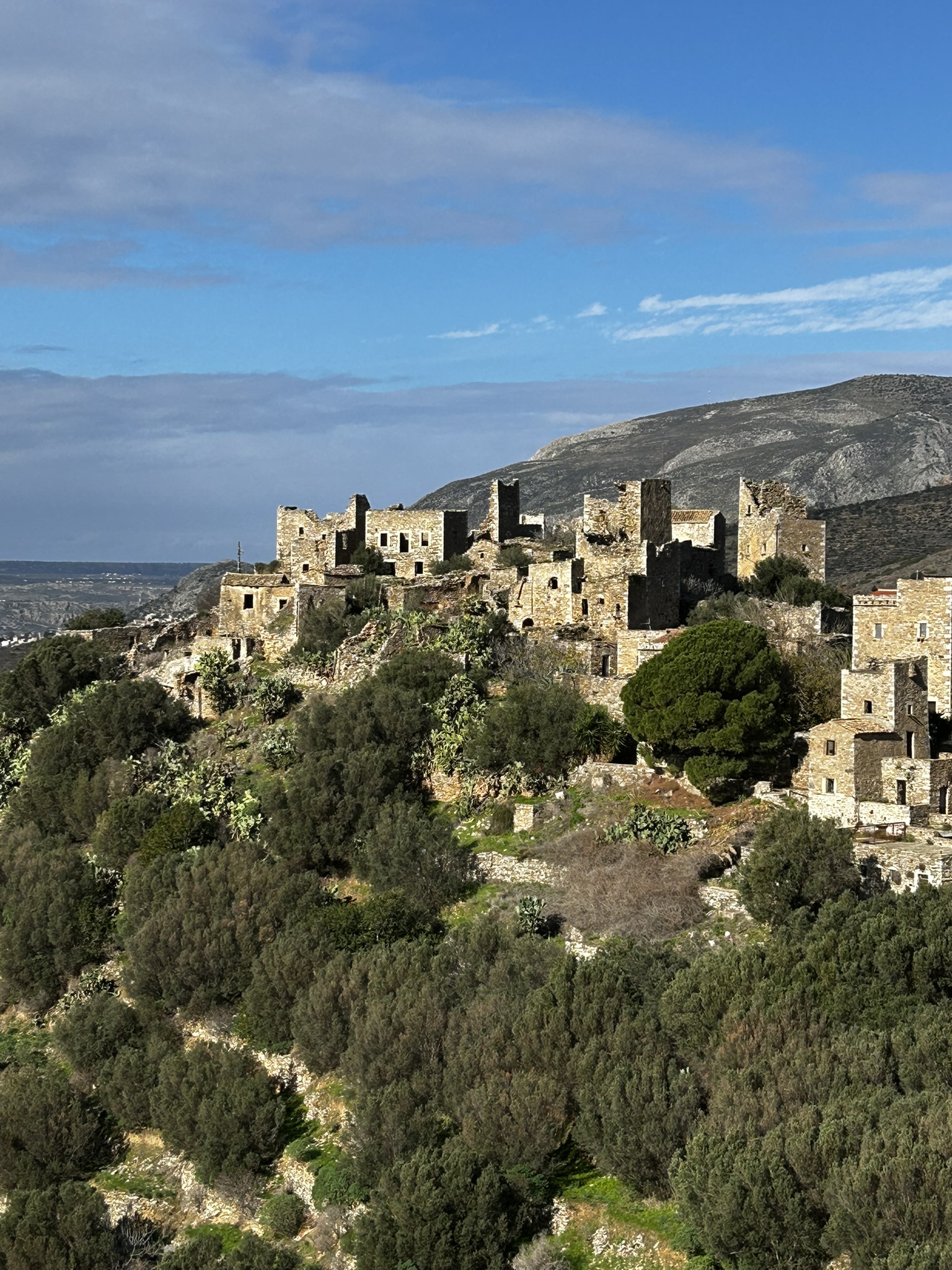
The Mani peninsula is unlike anywhere else in Europe. Its tower-houses rise like stone sentinels from a landscape that feels both ancient and alive. Walk through the alleys of Vathia, sip coffee in Gytheio watching the fishing boats come in, and let the silence of Mystras — the last great Byzantine city — settle over you.
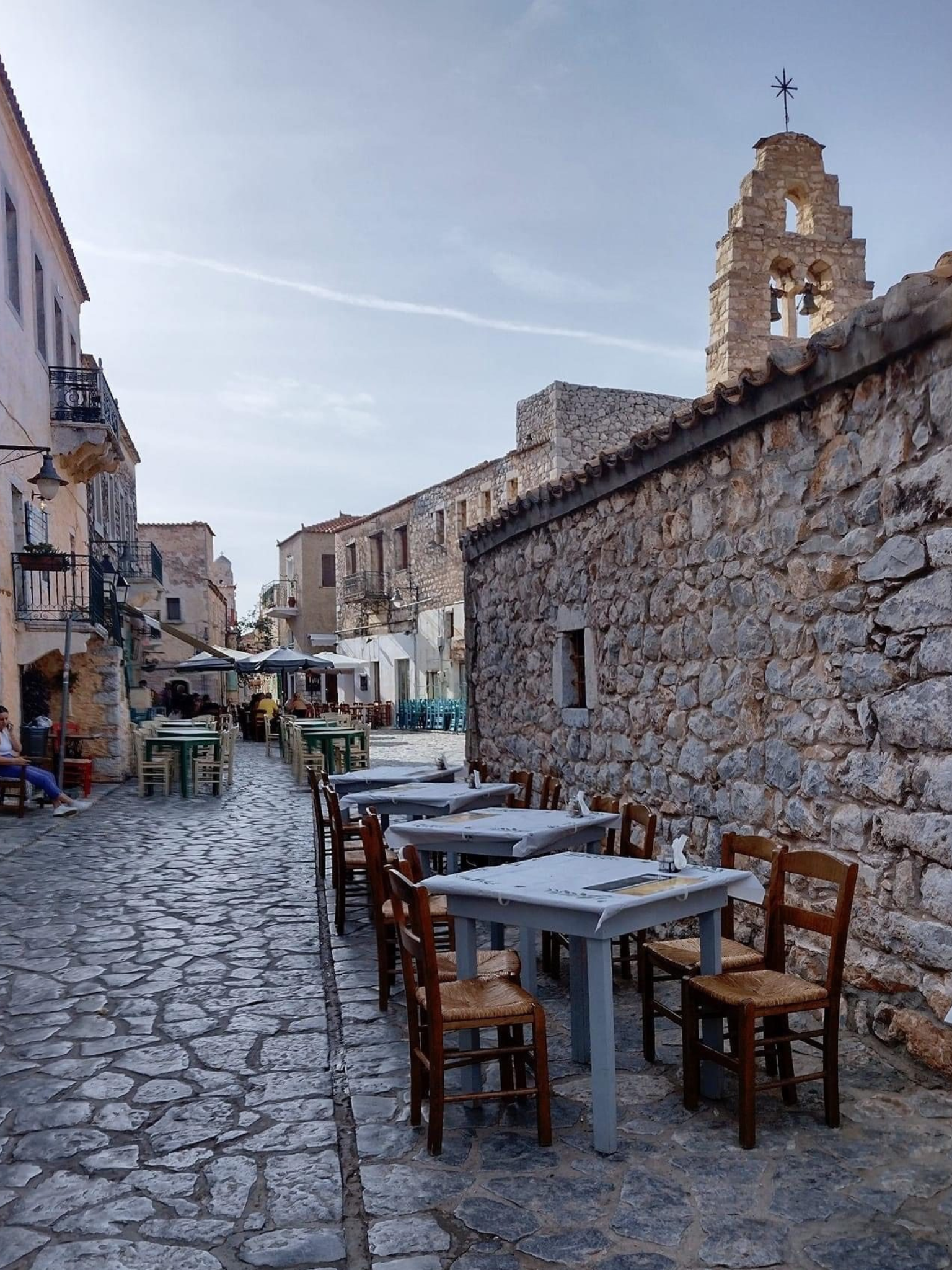
Further east, Monemvasia rises from the sea like a secret that the centuries forgot to share. A single road leads in. The rest is cobblestones, Byzantine churches, and views that stop time.
Lepanto Escapes
"A city where every stone has a story — and every story has a view."
Overview
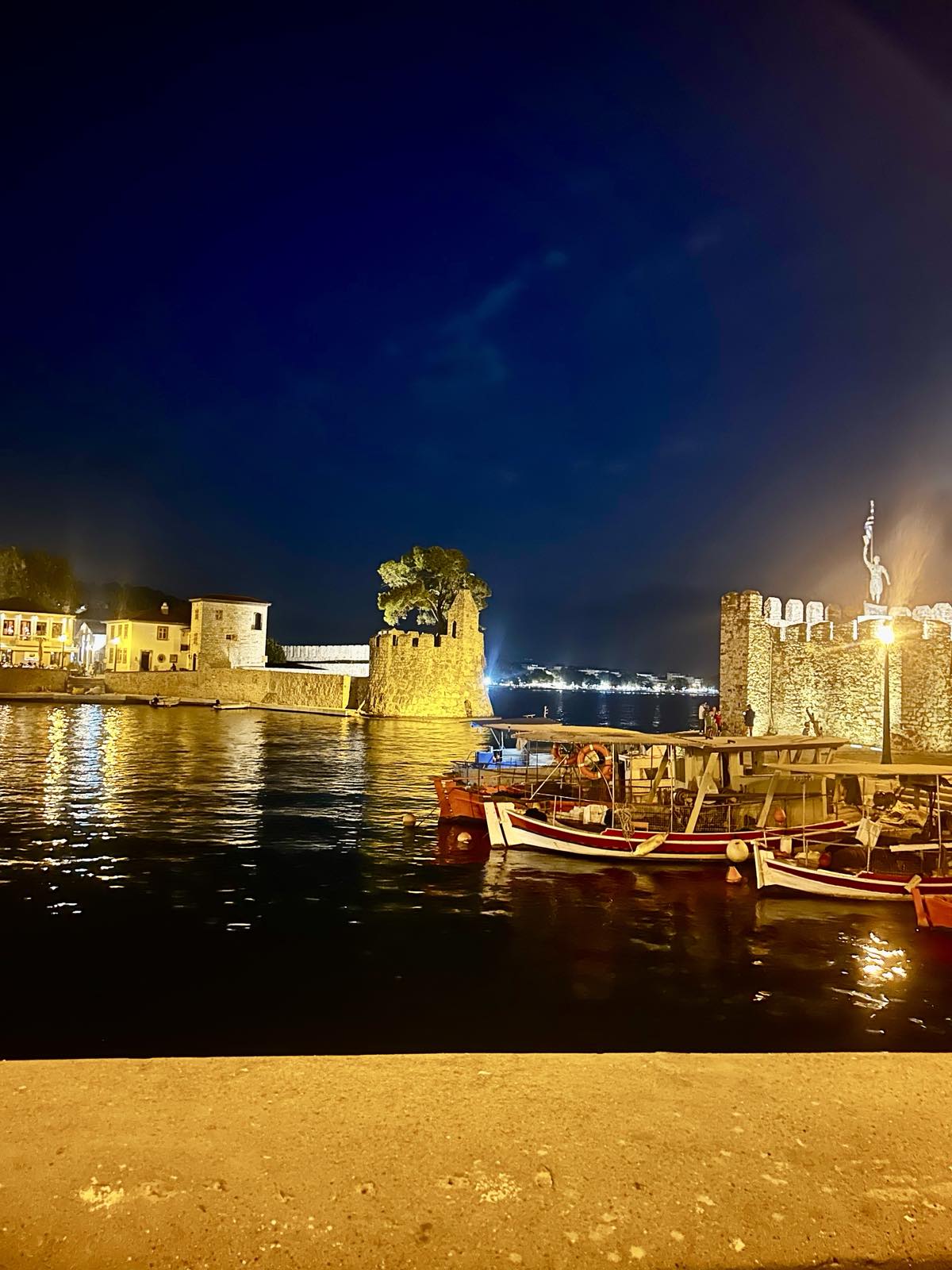
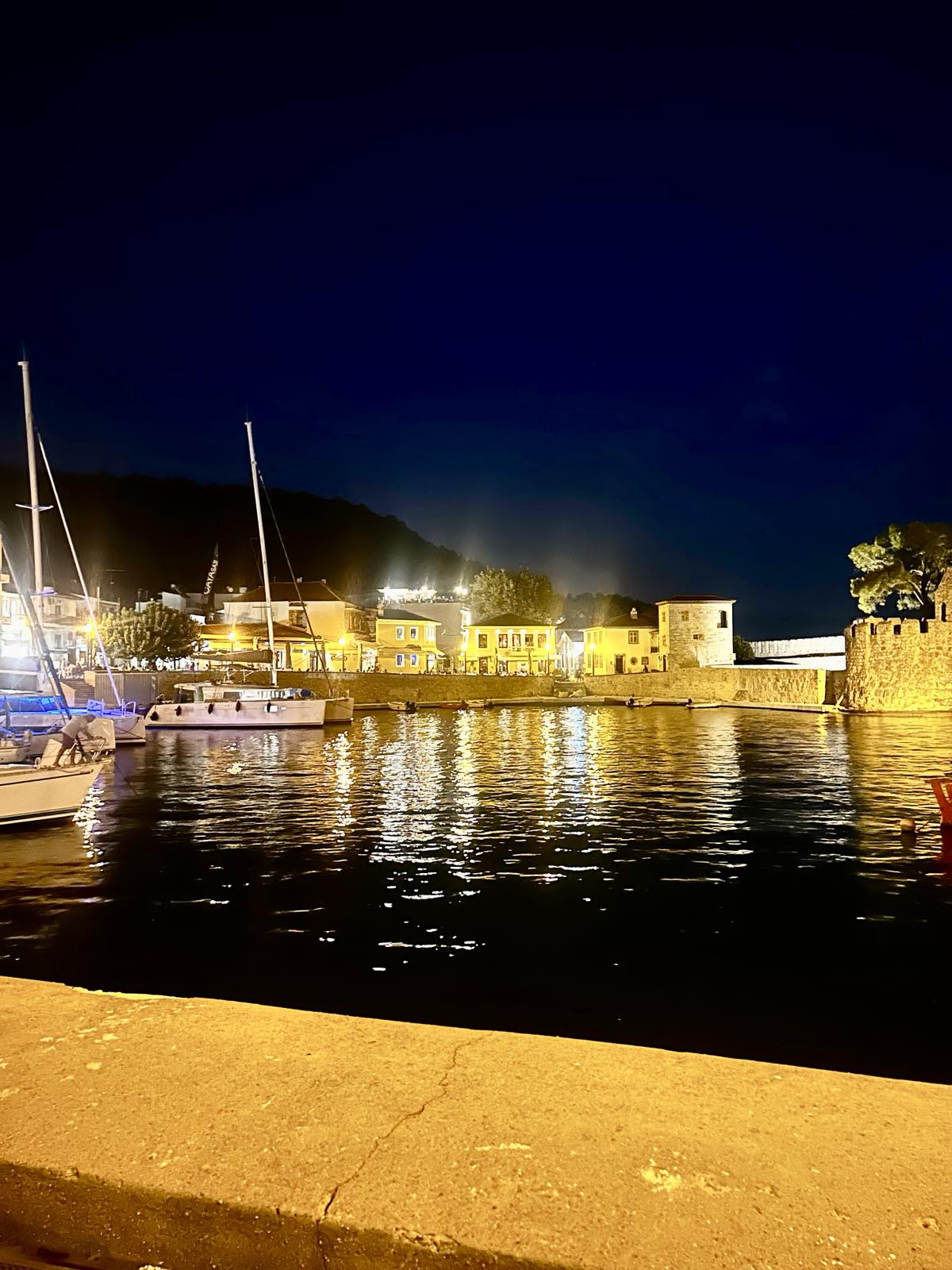
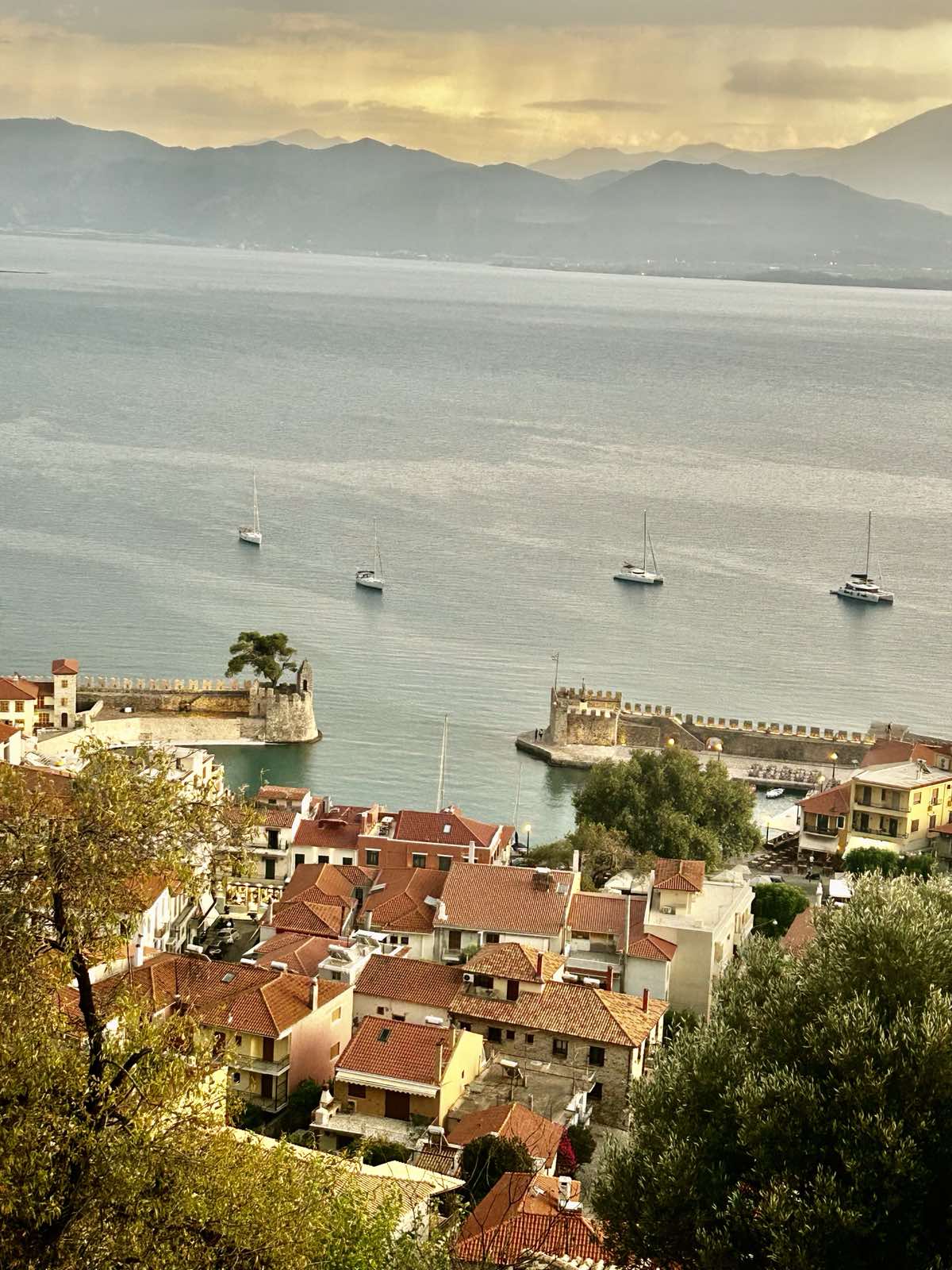
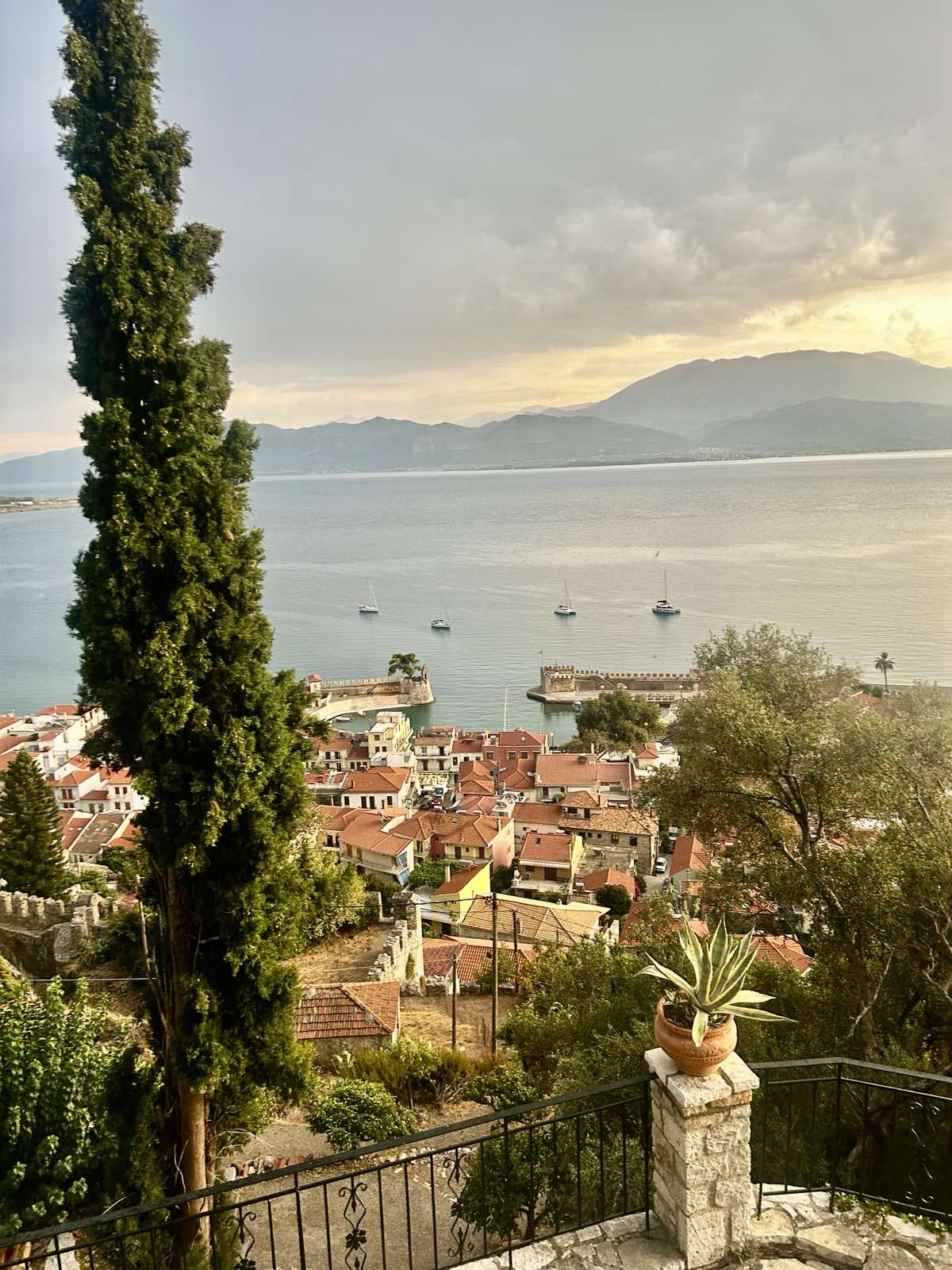
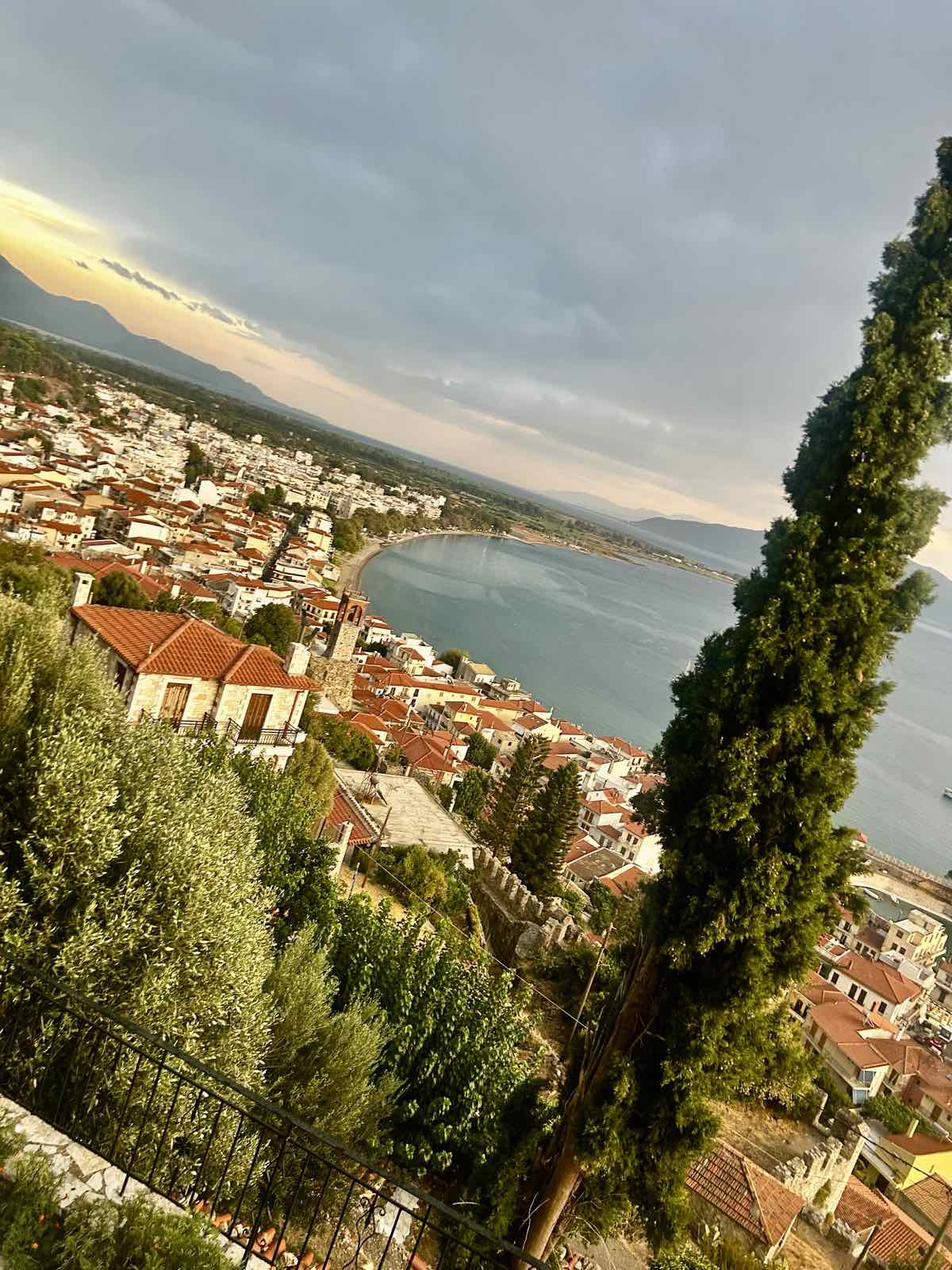
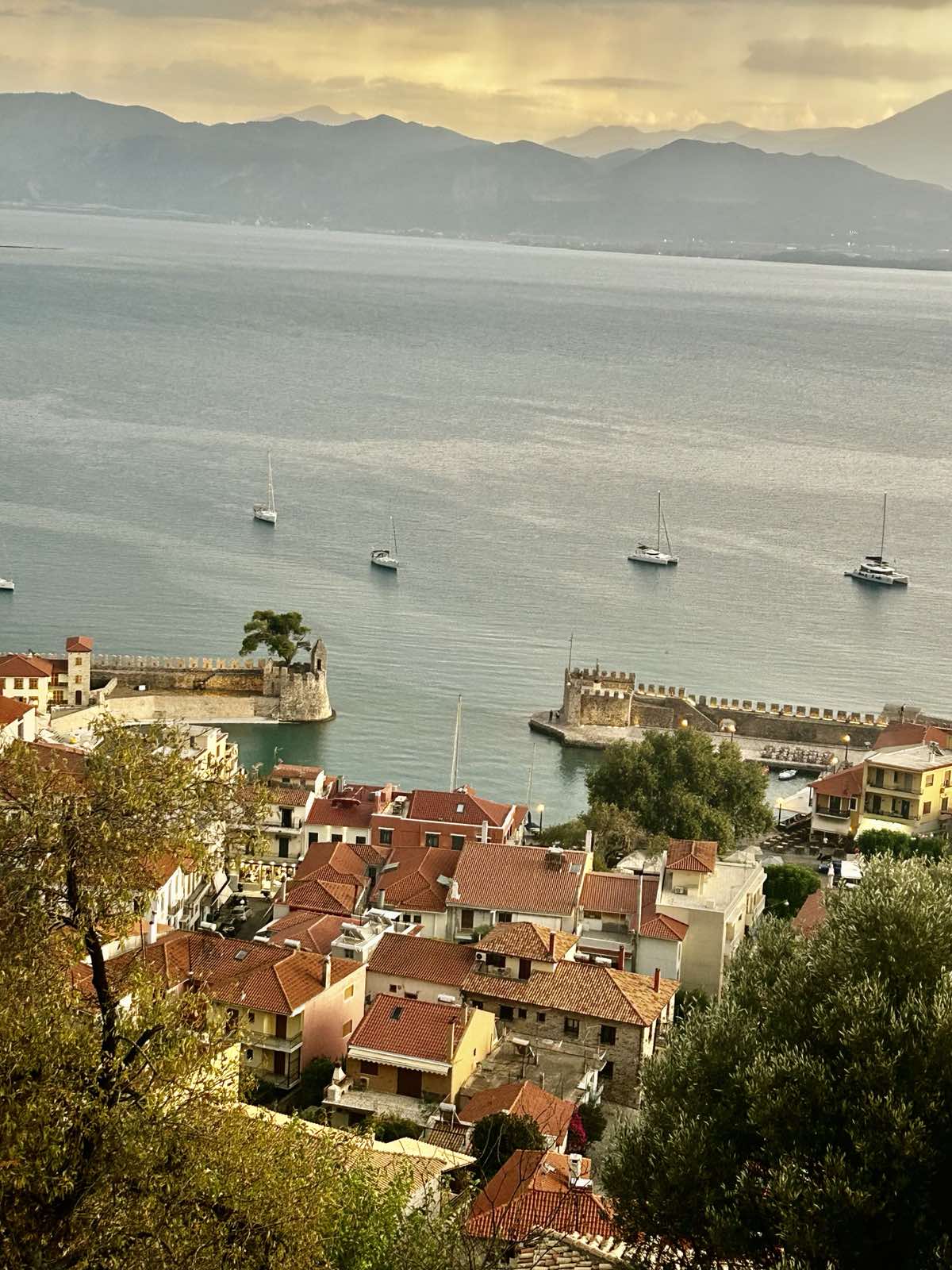
Nafpaktos is one of Greece’s great hidden treasures. Known to history as Lepanto — the site of the most decisive naval battle of the 16th century — it sits on the northern shore of the Corinthian Gulf, its Venetian harbour curving like a perfect crescent around bright-painted boats.
Most tourists drive past on the way to somewhere else. We stop. And we stay.
What Makes It Real
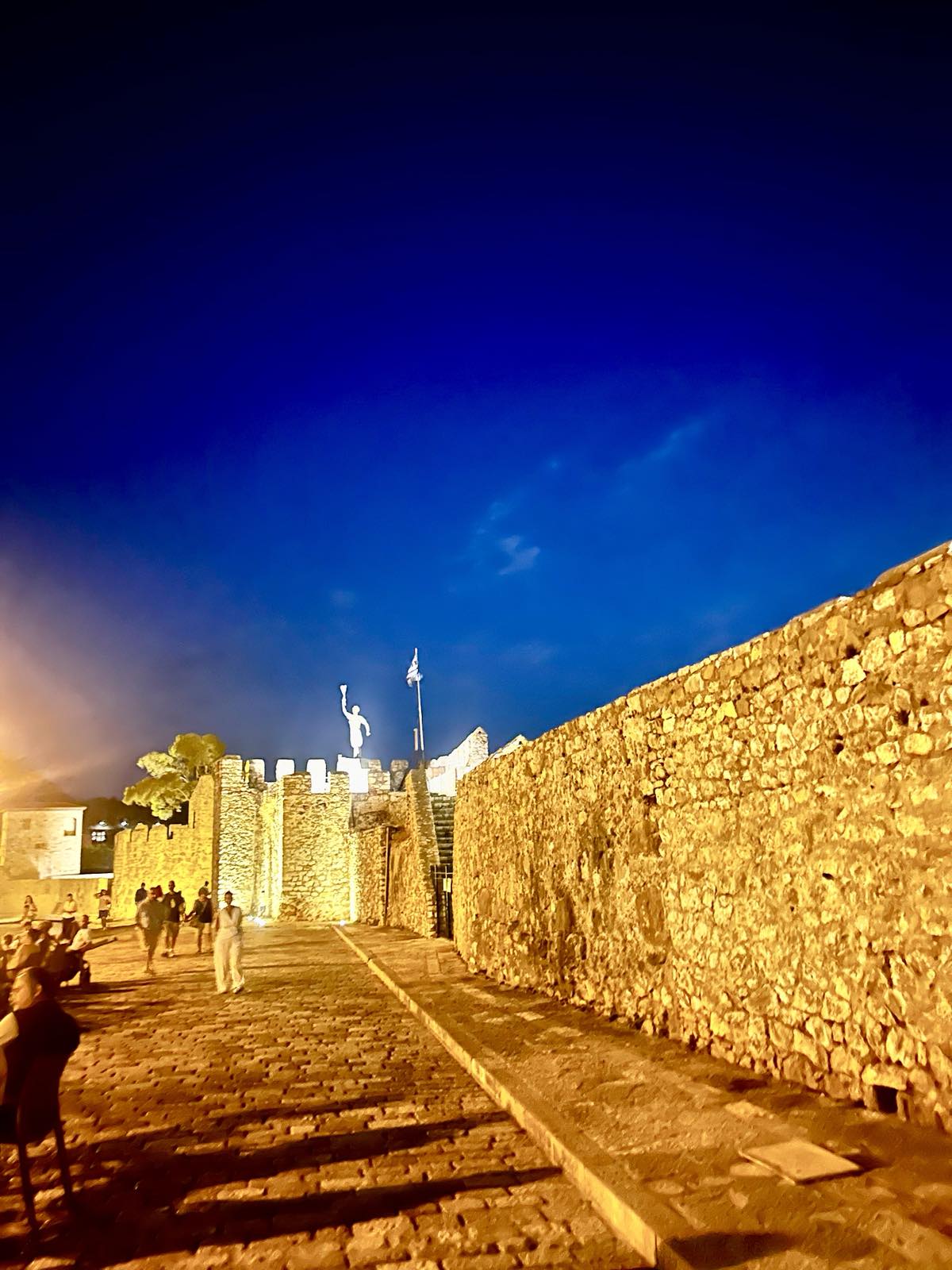
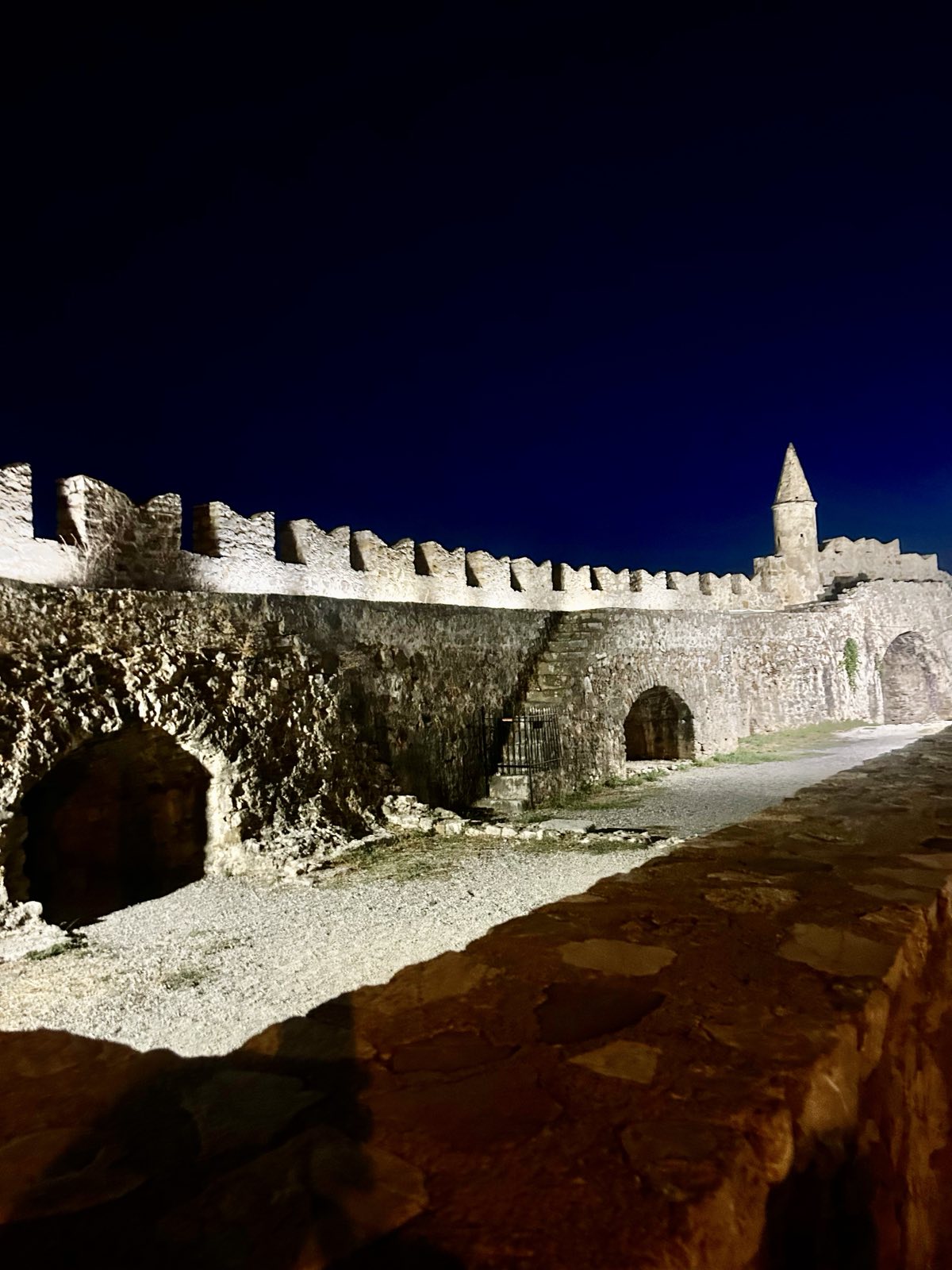
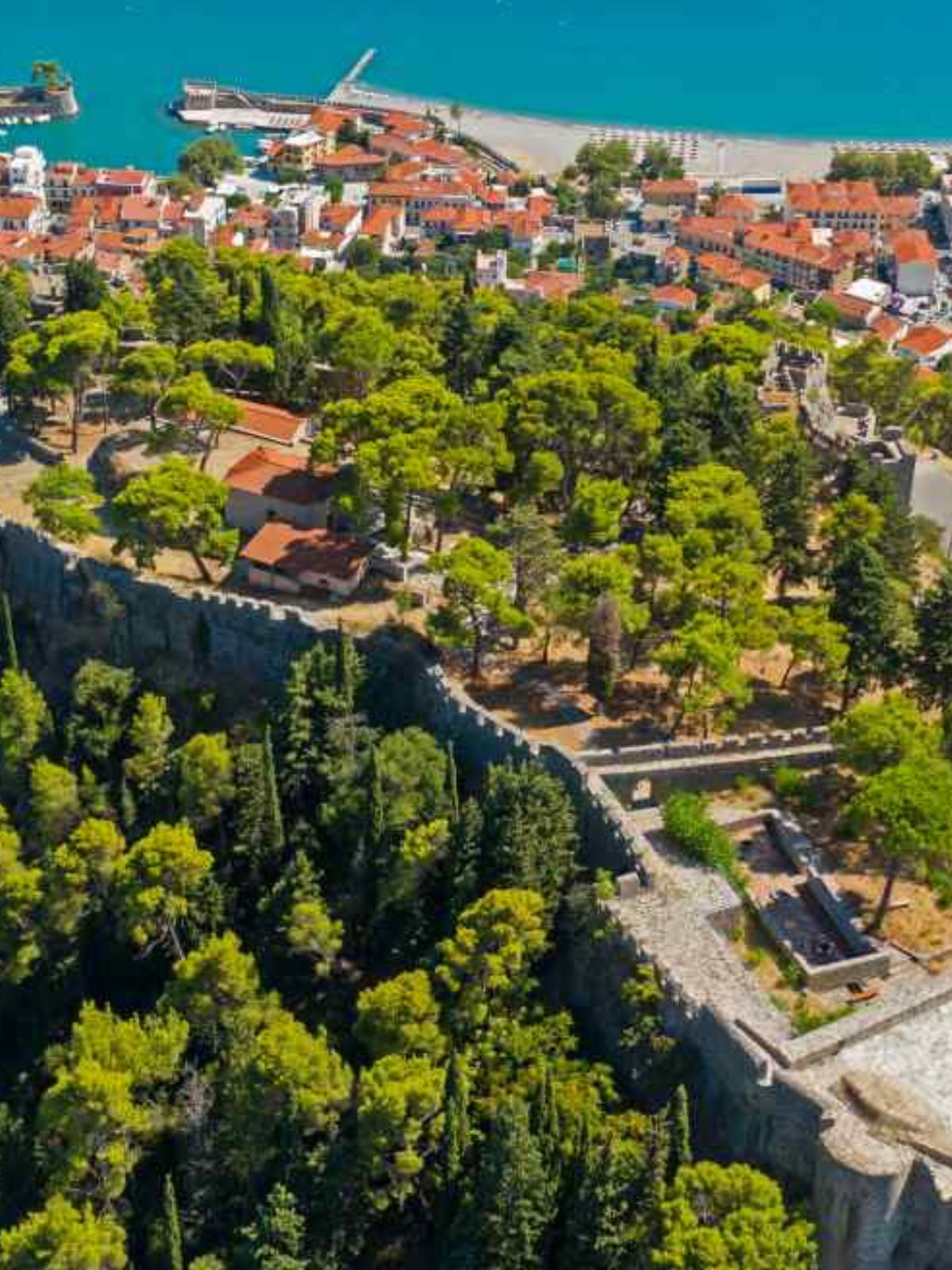
The harbour alone is worth the journey: a complete Venetian fortification, still intact after five hundred years, wrapping a working fishing port in honey-coloured stone. Above it, the castle walls climb the hillside in great theatrical sweeps, all the way to the summit where the view takes your breath away.
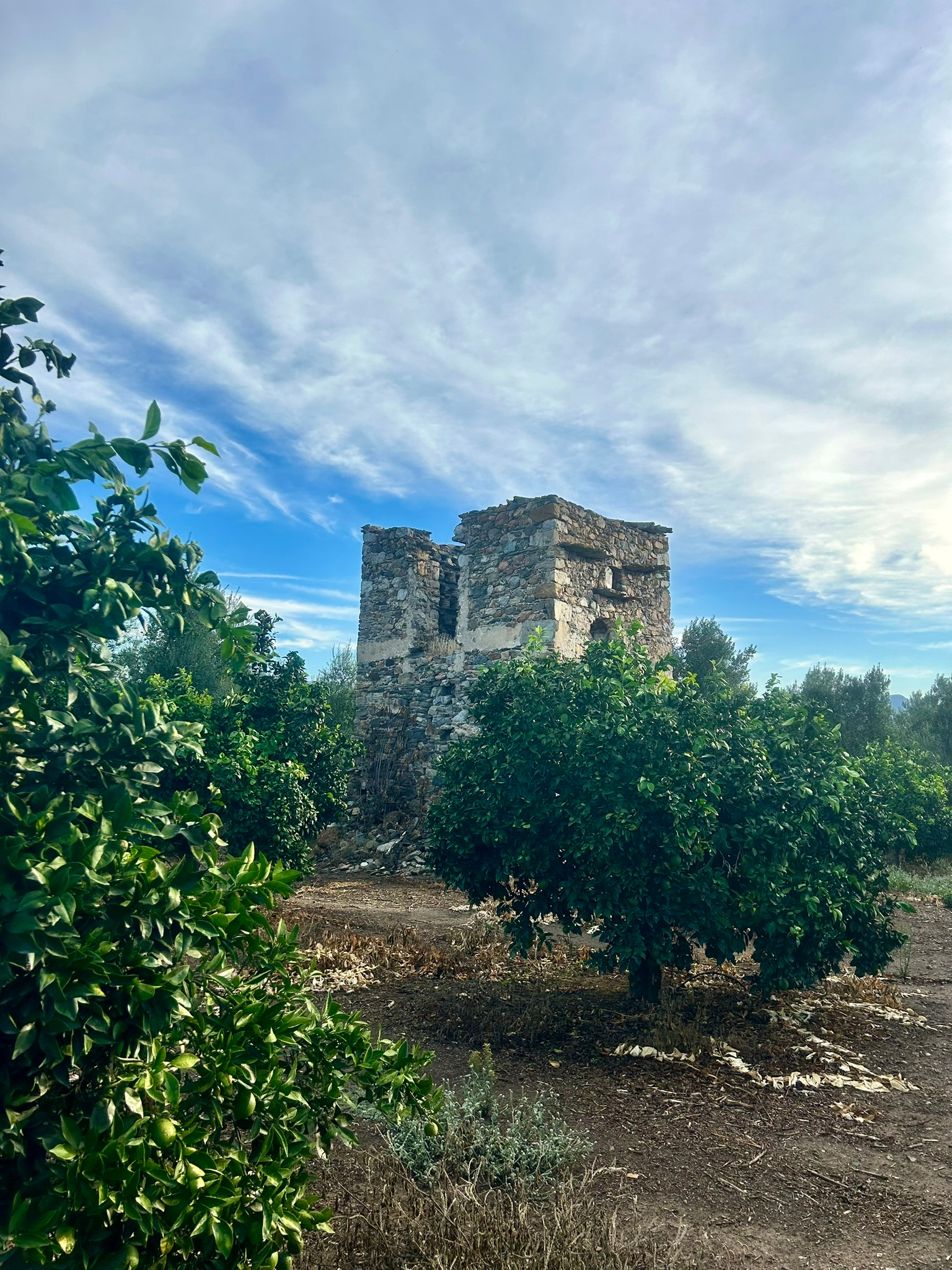
But Nafpaktos is more than its postcard. The mountain villages behind the town still press olive oil in the same mills their grandparents used. The monasteries tucked into the forested hillsides hold icons, relics, and a quiet that the modern world has almost forgotten how to find.

Attica Drifts
"Forget the Acropolis for a moment. Athens wants to show you something."
Overview
Everyone knows Athens. Almost no one has really seen it.
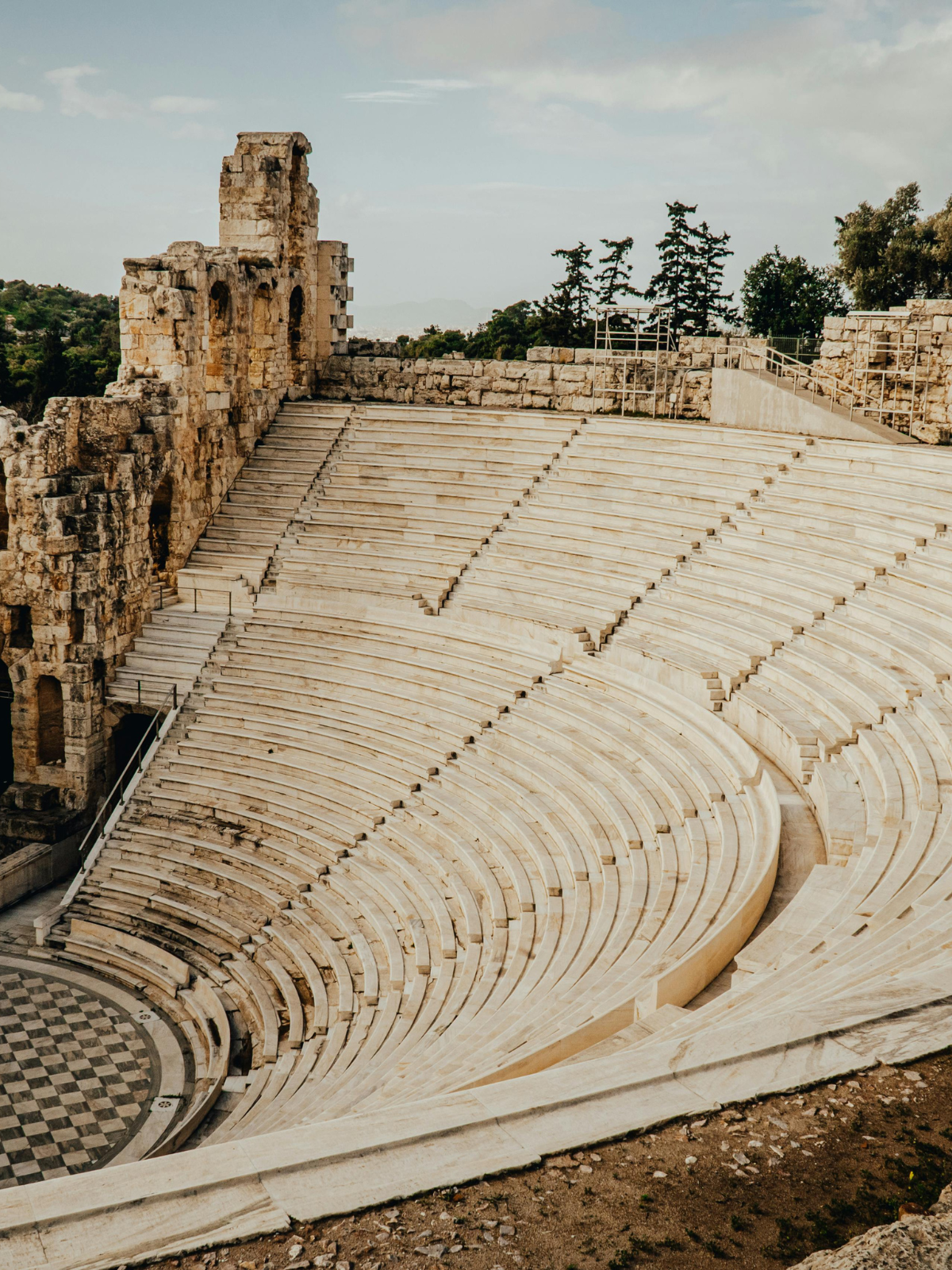
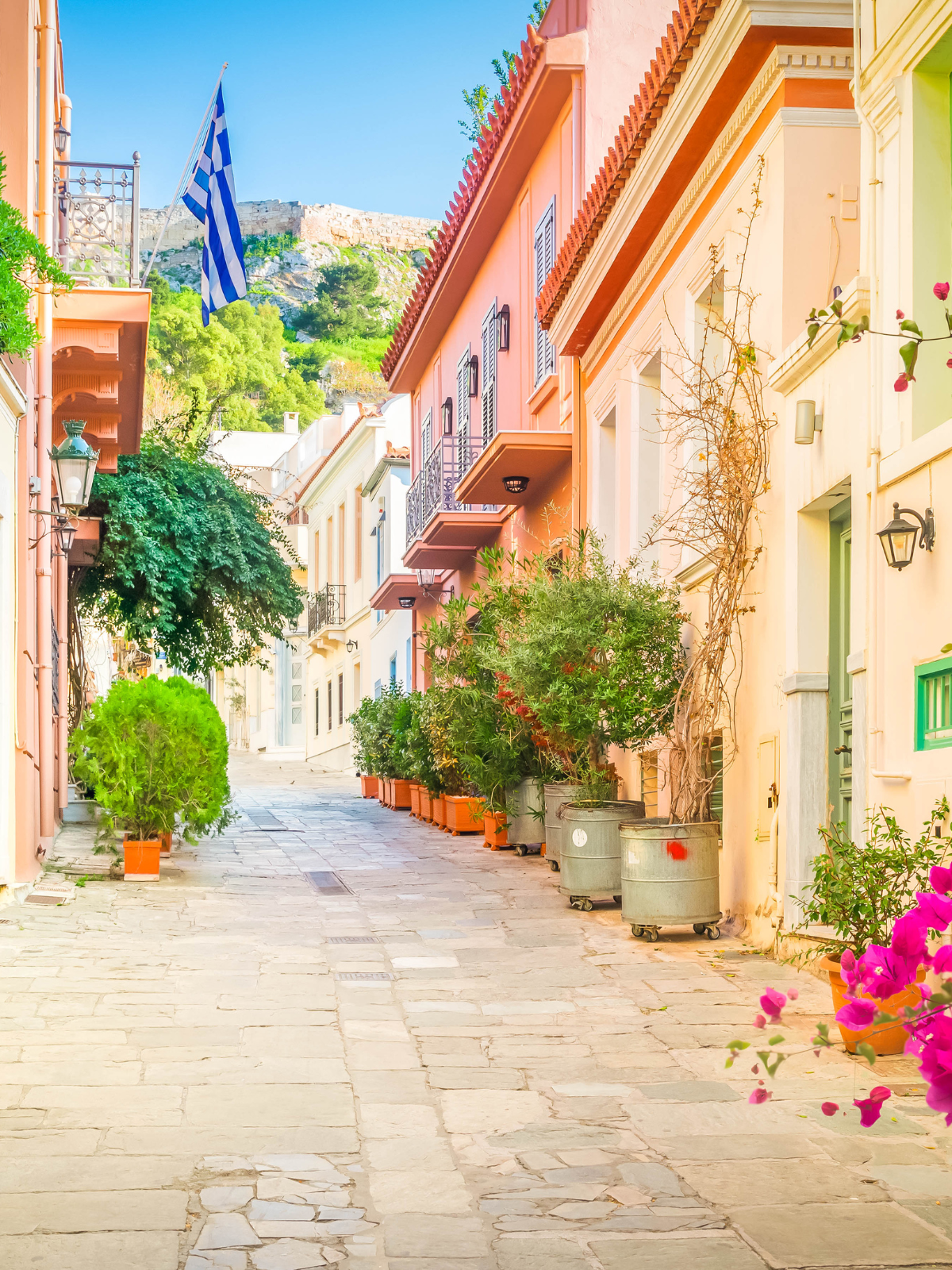
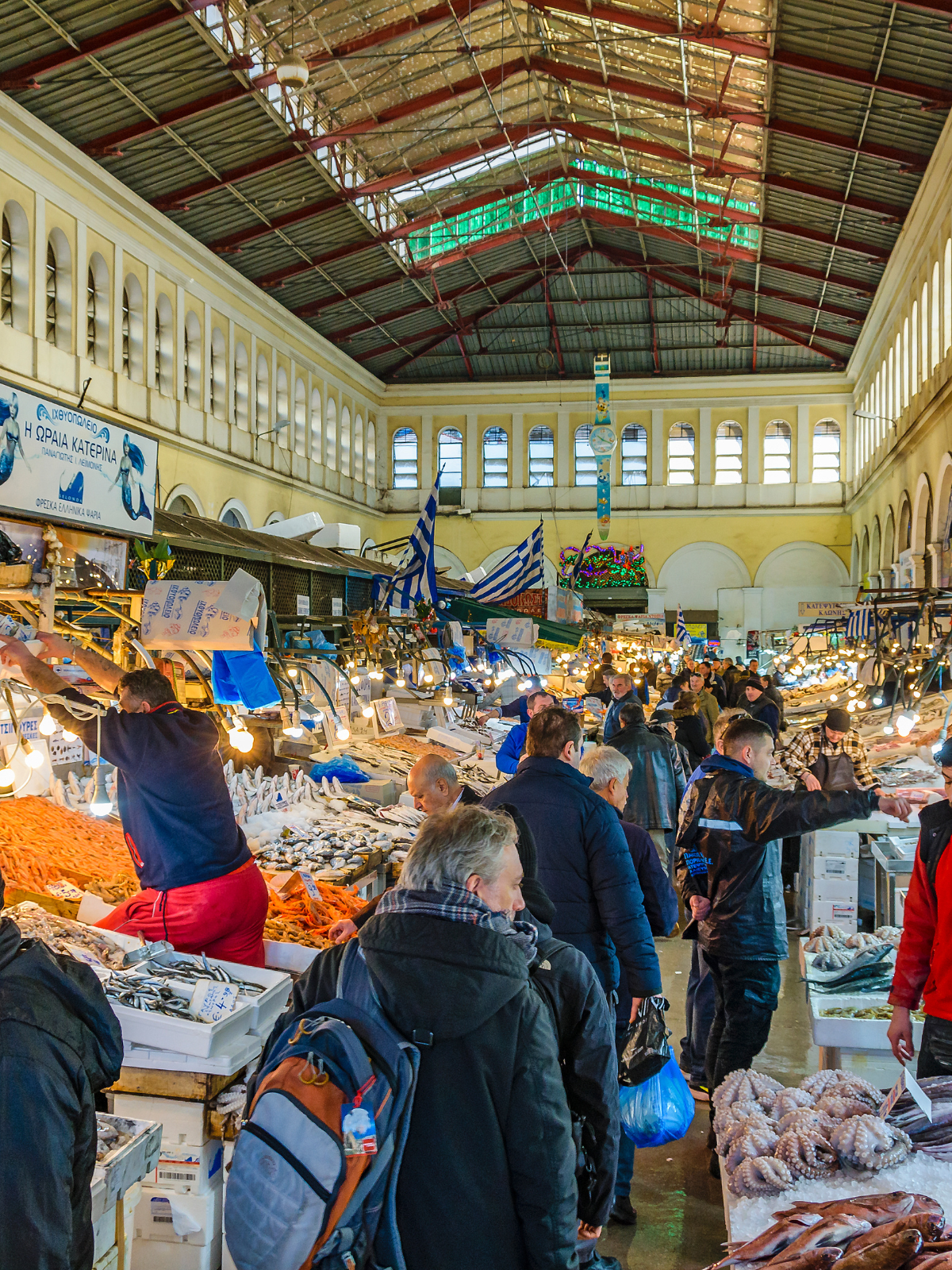
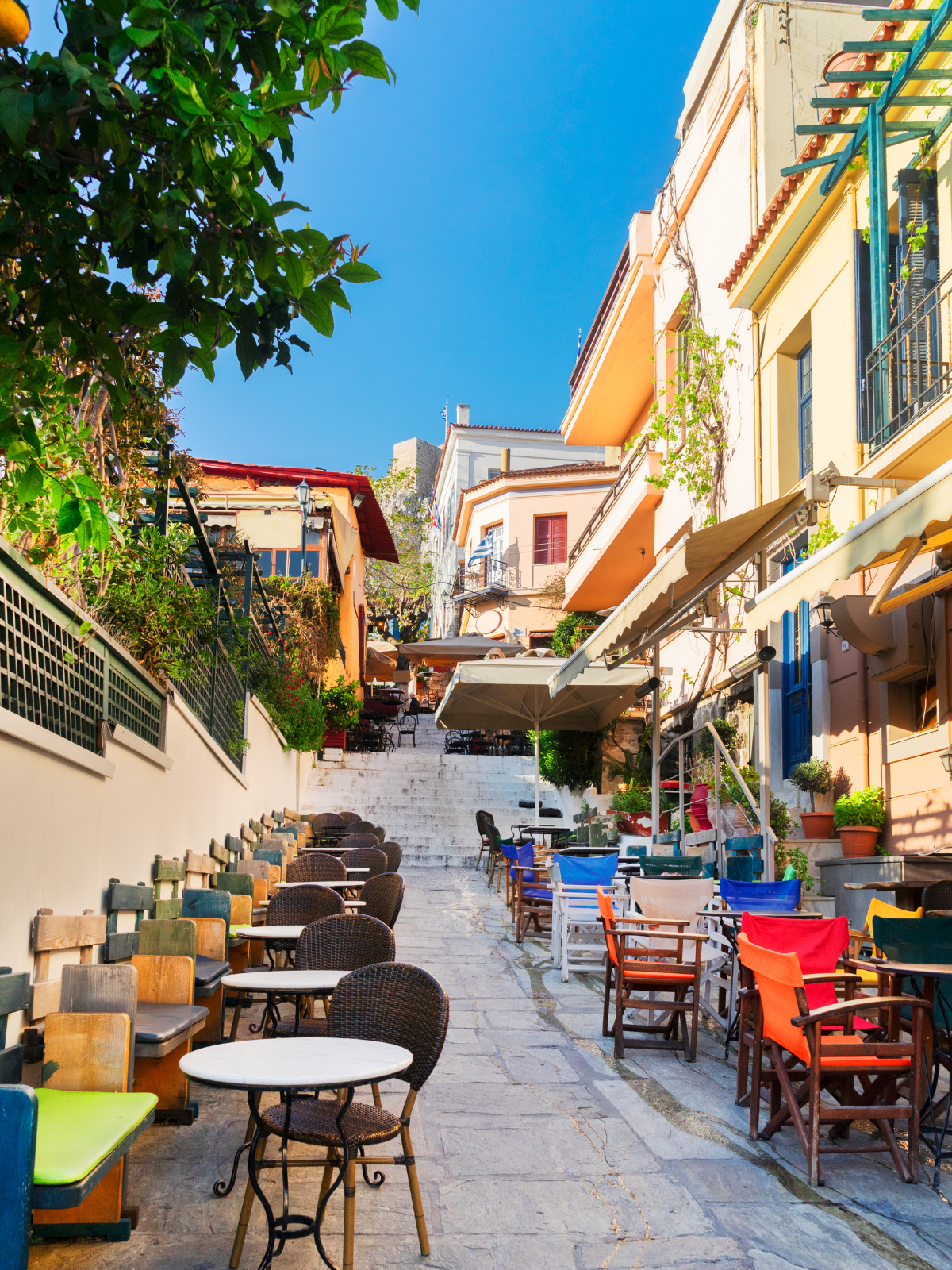
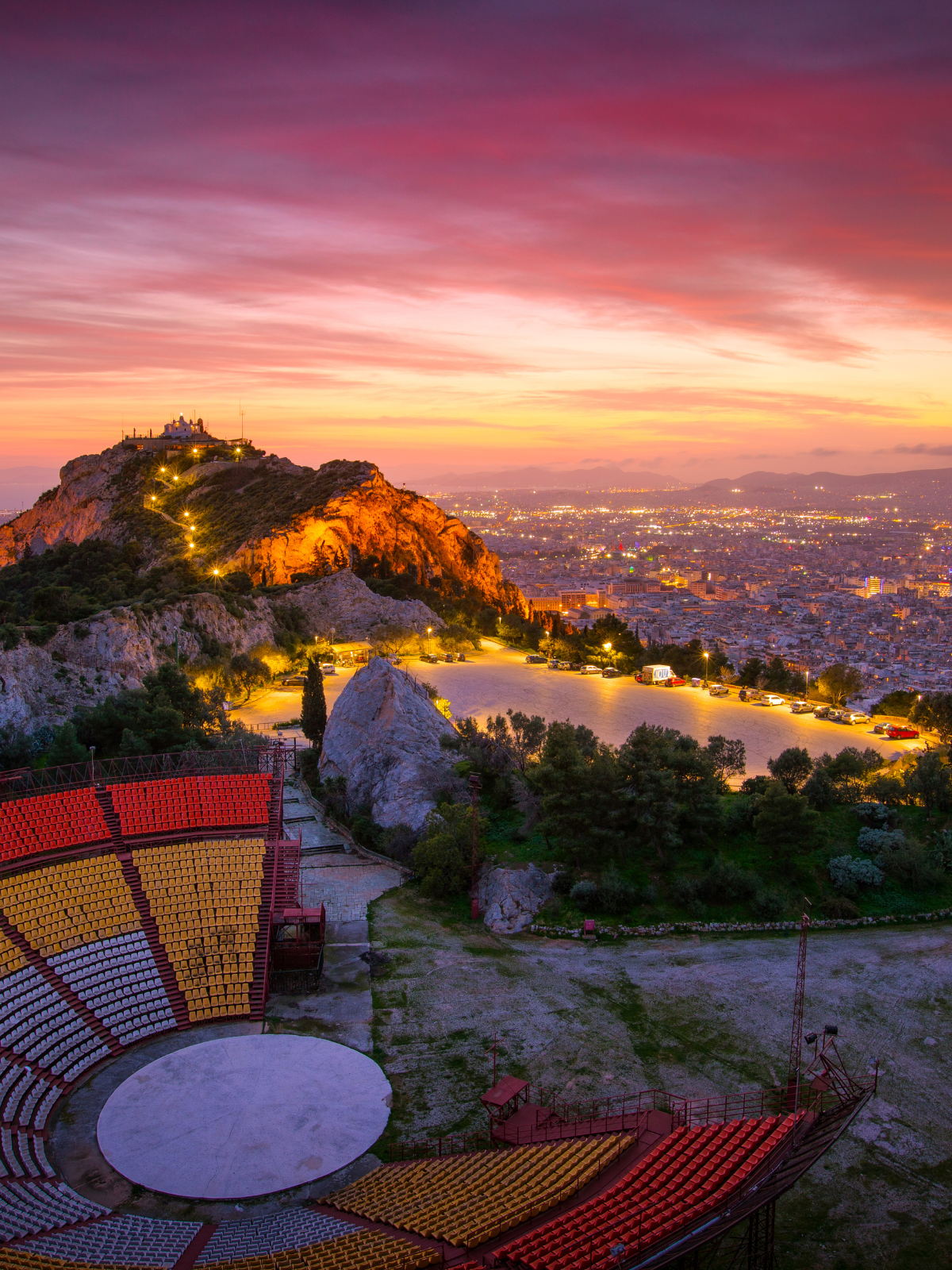
The Acropolis is magnificent — of course it is. But Athens is also a city of three million stories happening simultaneously: in the anarchist bookshops of Exarcheia, in the spice markets of Varvakeios, in the Byzantine churches hiding between apartment blocks, in the rooftop bars where young Athenians have been watching the same sunset over Lycabettus Hill for generations.
This is the Athens I want to share with you.
What Makes It Real
Athens rewards the curious. The further you wander from Syntagma Square, the more the city reveals itself. Monastiraki on a Sunday morning, before the crowds arrive. The First Cemetery, where the great and the forgotten of modern Greece lie side by side under marble carvings of extraordinary beauty. The covered market at Varvakeios, where the vendors know their customers by name and the coffee is the best in the city.
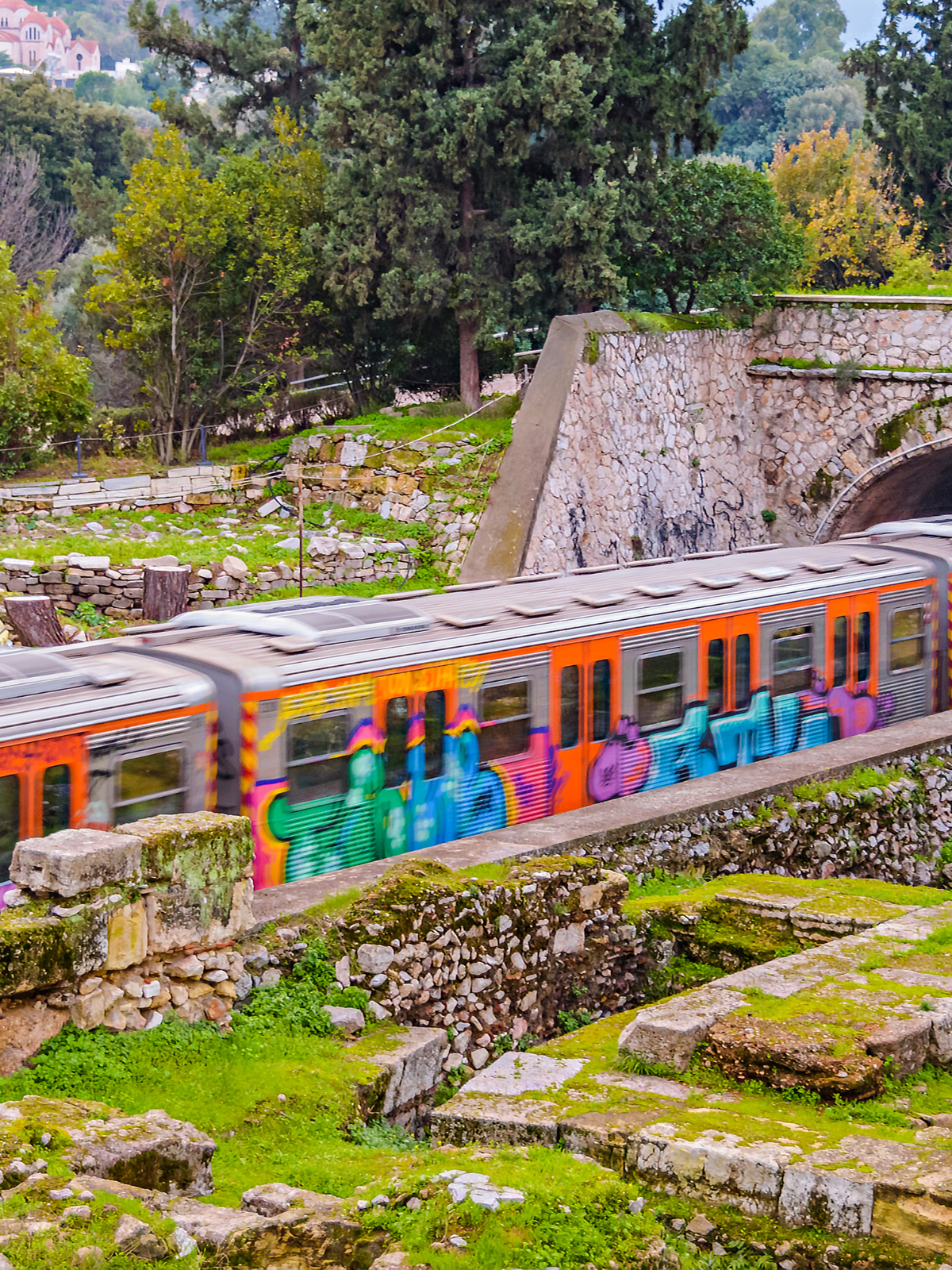
And then there is the other Athens: street art that turns entire buildings into galleries, creative neighbourhoods where abandoned factories have become arts spaces, a food scene that has quietly become one of the most exciting in Europe
Spata: Walk among the vines — and the centuries
The wine that Athens forgot
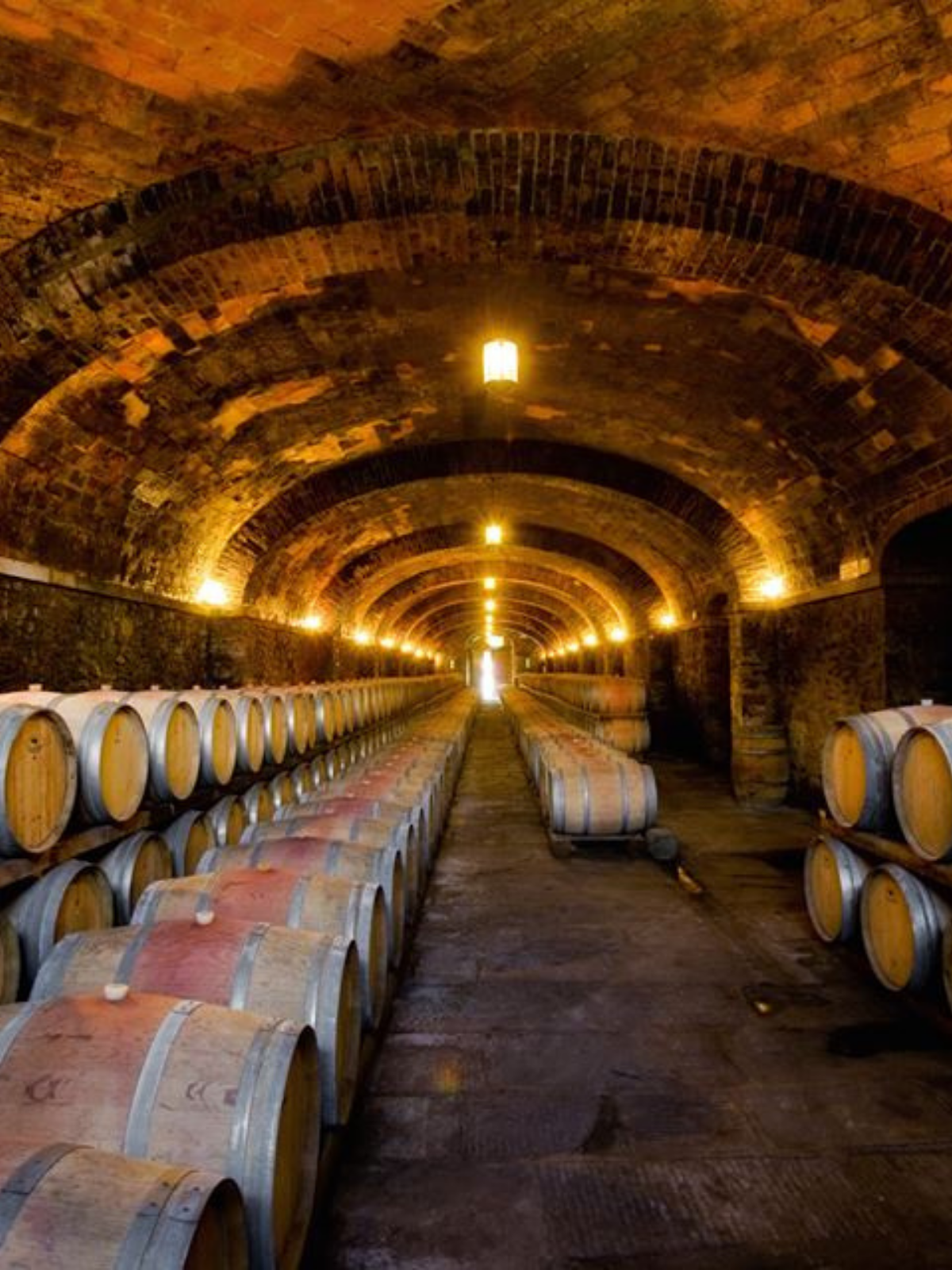
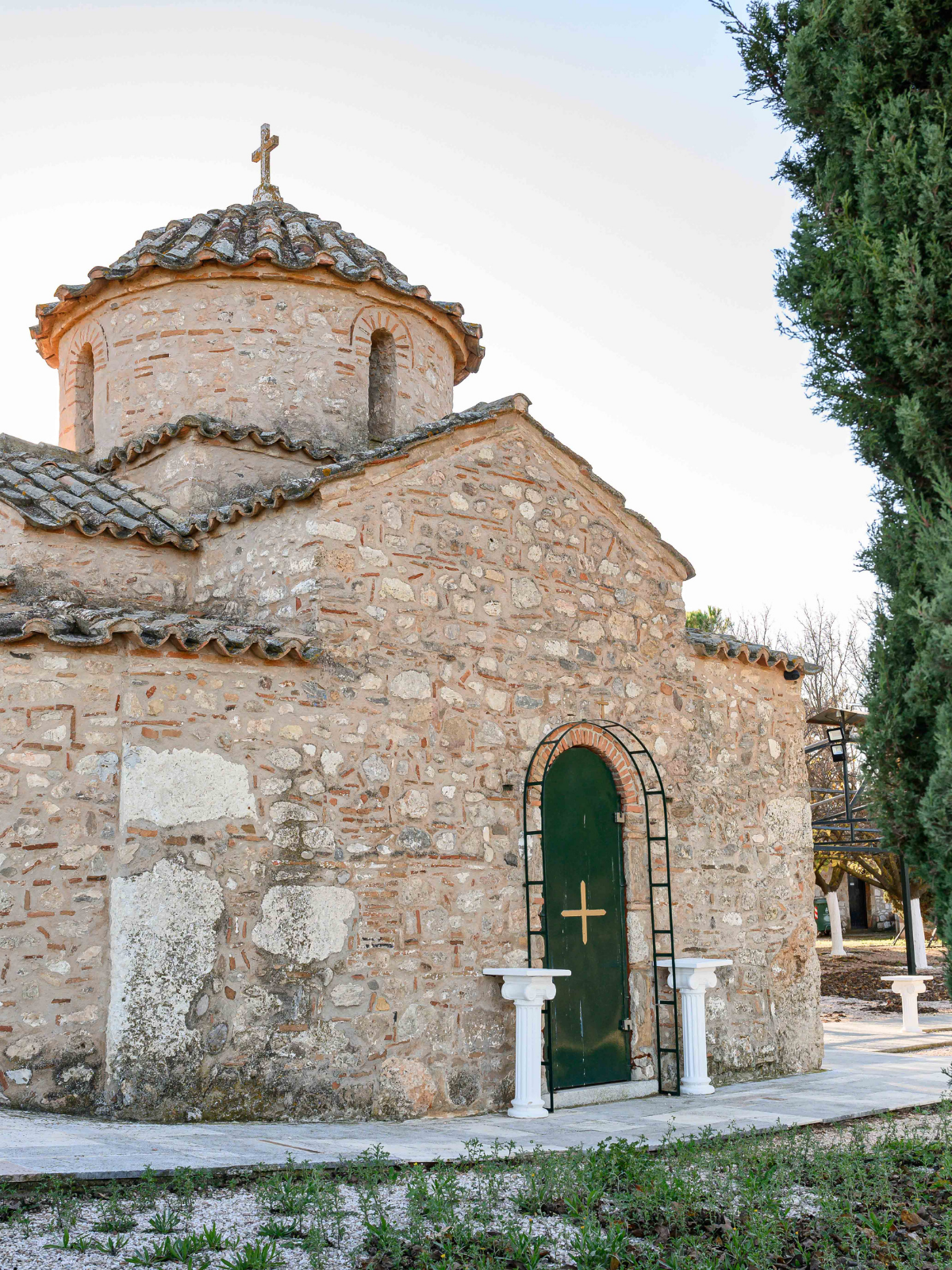
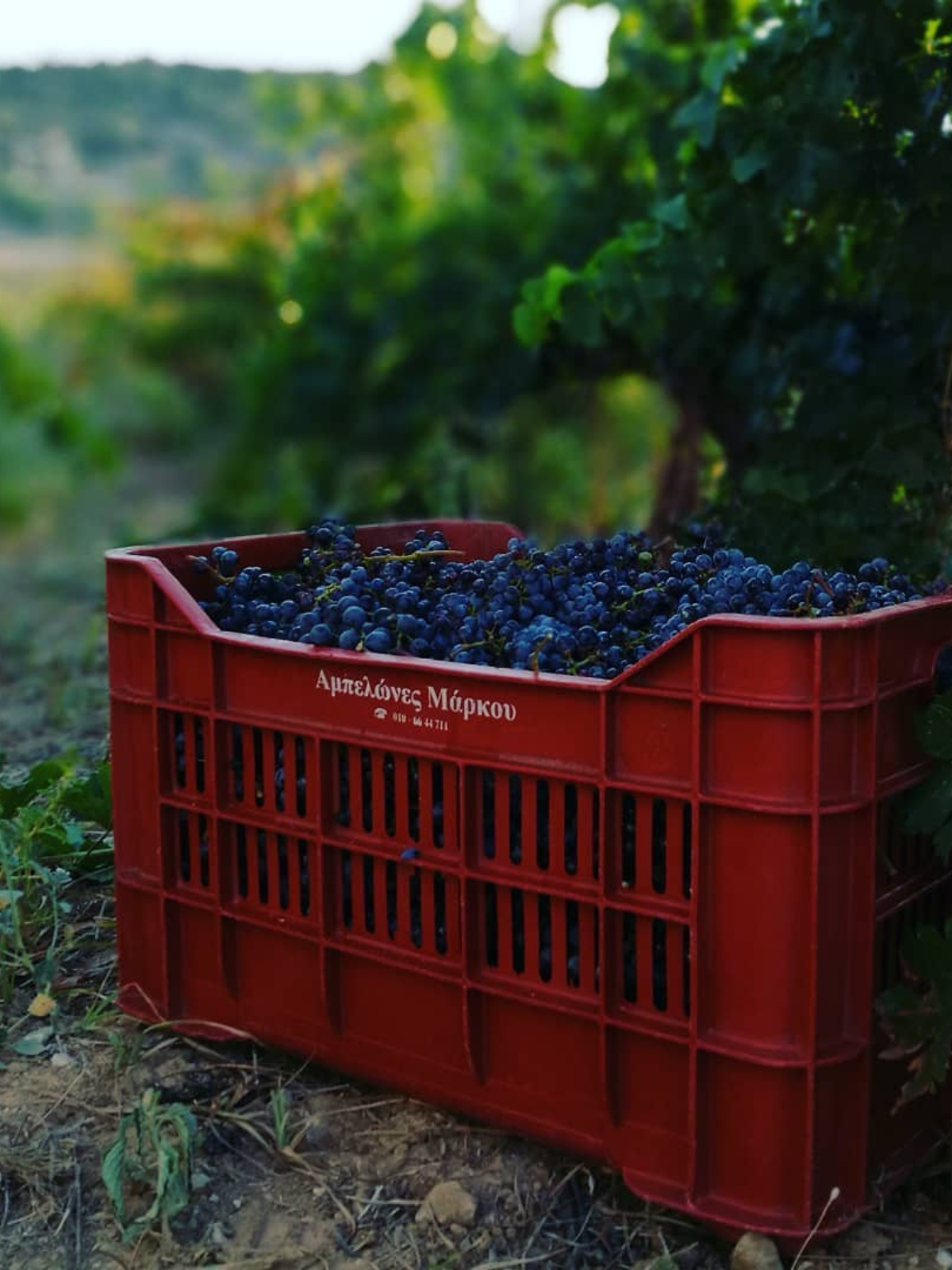
The region is known for its vineyards, and family wineries here carry on an agricultural tradition that stretches back generations. Matt Barrett's Guides to Greece and the Greek Islands In Spata, the grapes and the churches have always shared the same soil. The chapel of Agii Asomati — a simple stone building from 1885 — sits right in the heart of the Spata vineyards, at a place still called "Patima", the treading ground. Nafpaktiaki The name tells you everything about how long people have been making wine here.
A visit to one of the family wineries — tasting crisp Attica whites on a terrace surrounded by vines, with a view that stretches to the hills of Hymettus — is one of those quietly perfect experiences that travel guides never think to mention.
An airport museum worth missing your flight for
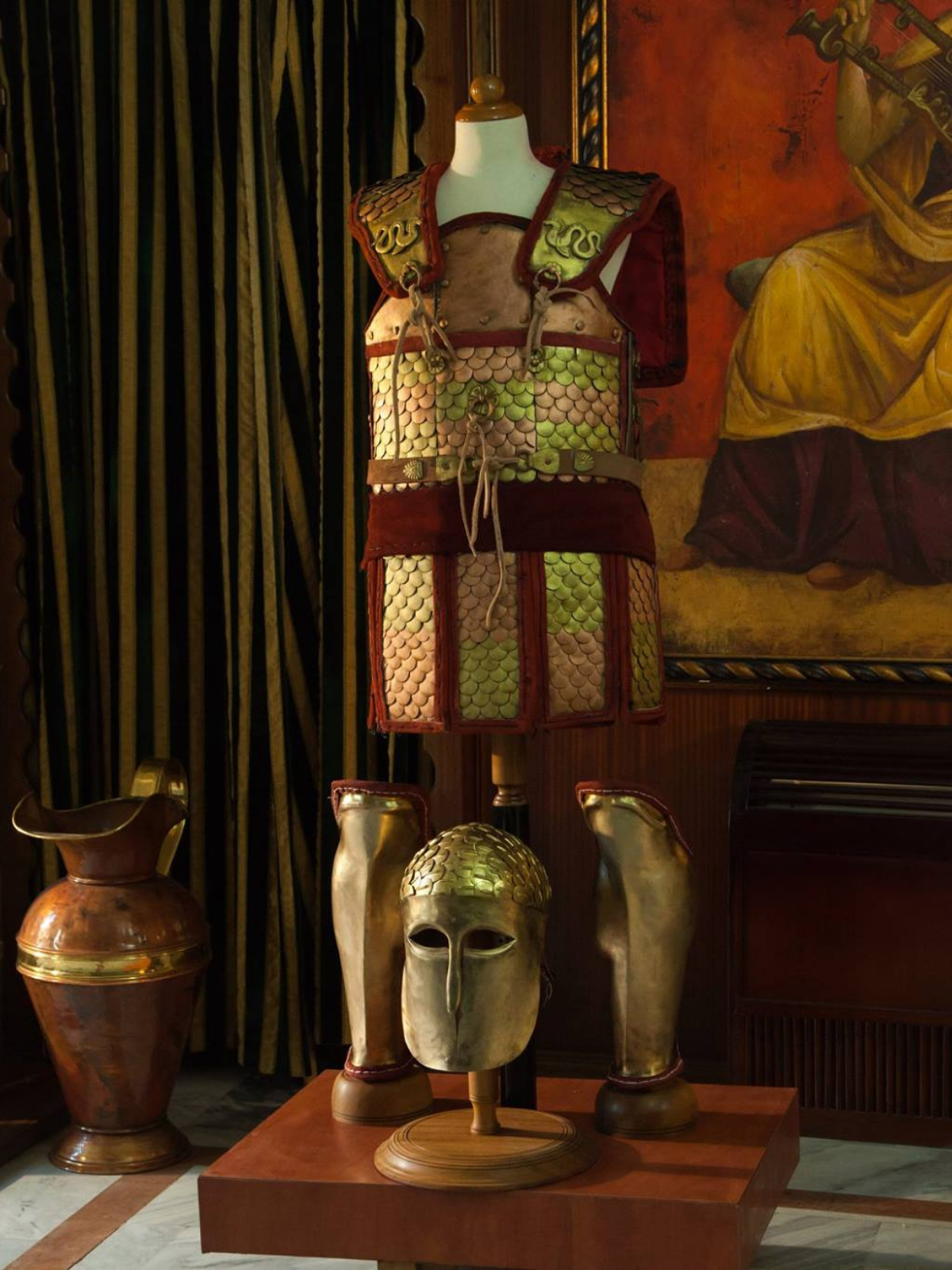
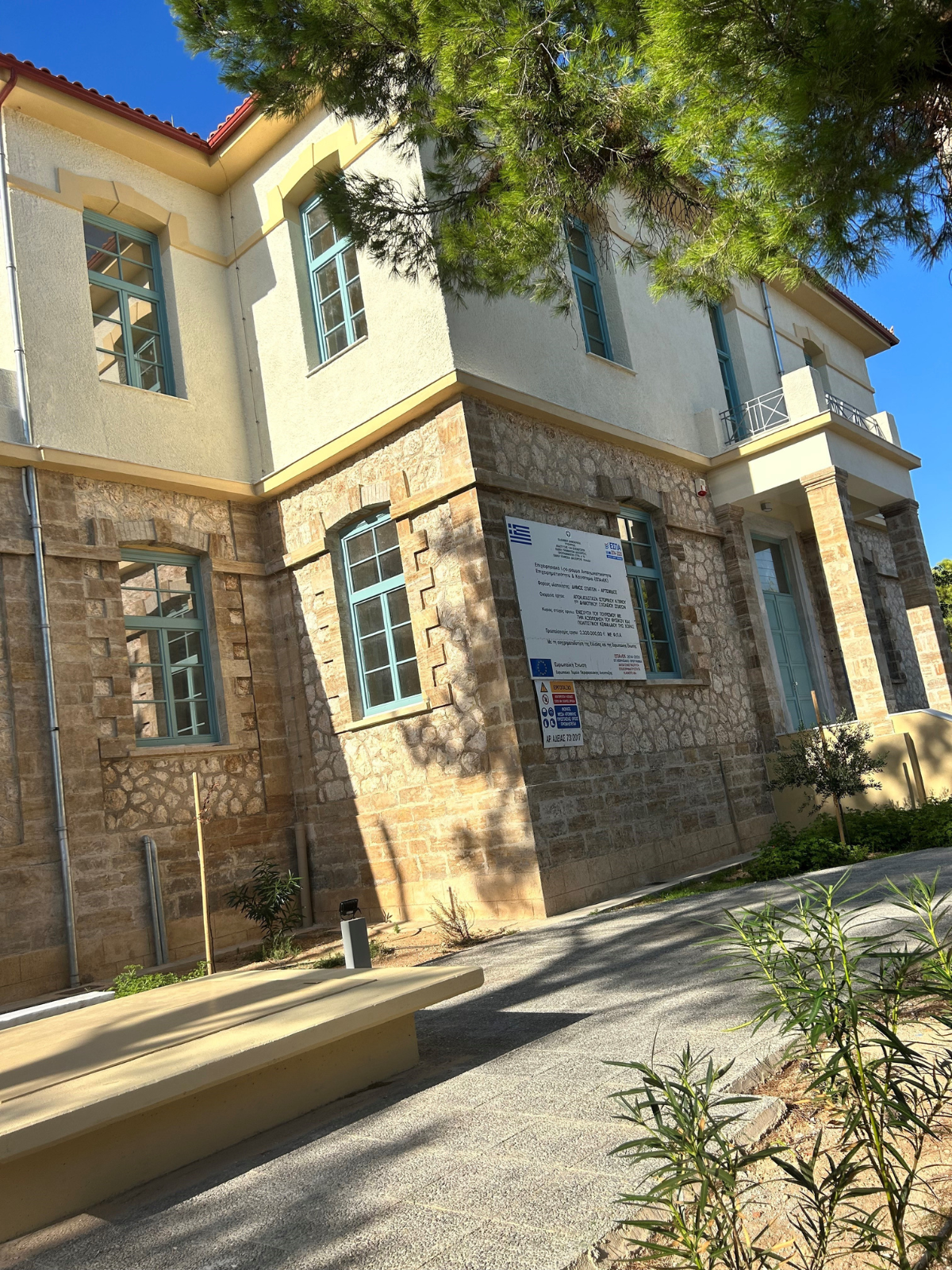
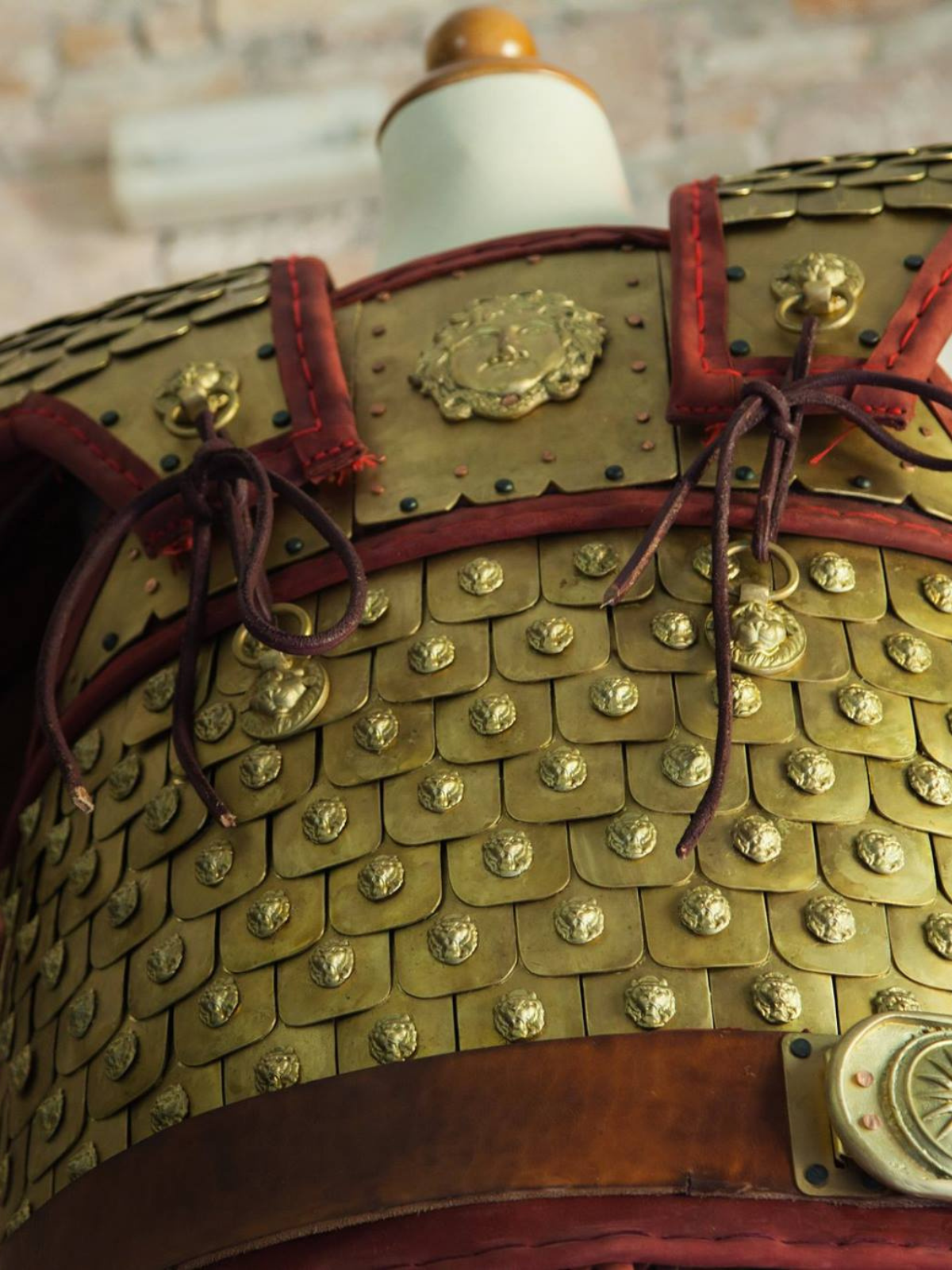
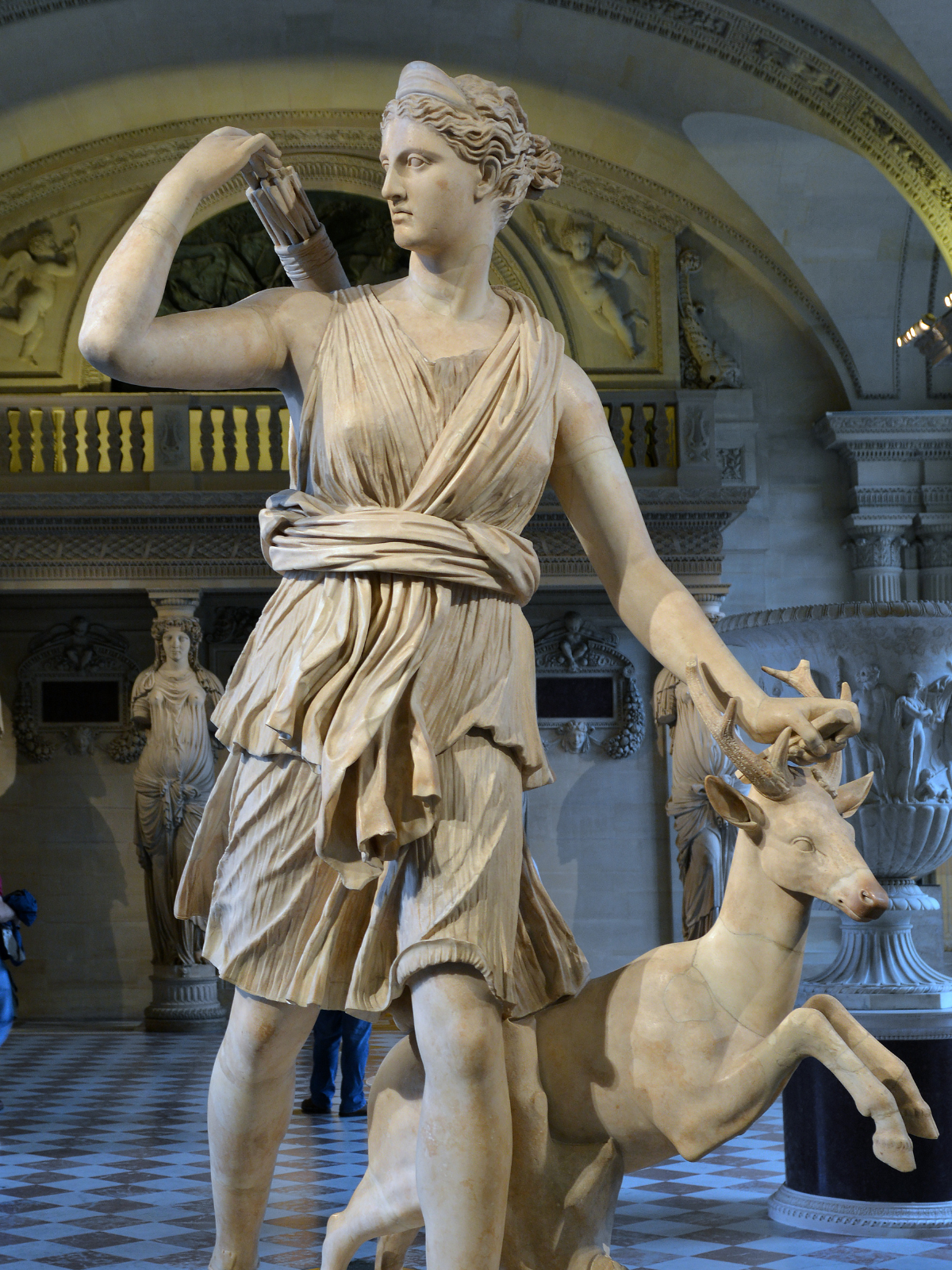
Inside the departure hall of Athens International Airport, a small museum displays archaeological finds from the Spata and Artemida area. Explore with Angel If you've ever had a long layover and didn't know what to do with it — now you do. The past has been waiting there for you, between the duty-free shops and the boarding gates.
Why I bring people here
Spata isn't a grand destination. It won't take your breath away with drama or spectacle. What it offers is something quieter and, I think, more valuable: a real glimpse of how Attica actually lives — between the ancient and the modern, between the vines and the runways, between the world rushing through and the place that simply stays.
I bring people here when they want to understand what Attica is, not just what it looks like. We walk the old paths between the chapels, taste wine from a family that has been making it for decades, and then sit somewhere simple and eat something made from the land around us.
It is, in the best possible way, completely ordinary. And completely unforgettable.

Every traveller to Athens lands at the airport and drives straight into the city. Almost no one stops. Almost no one looks around.
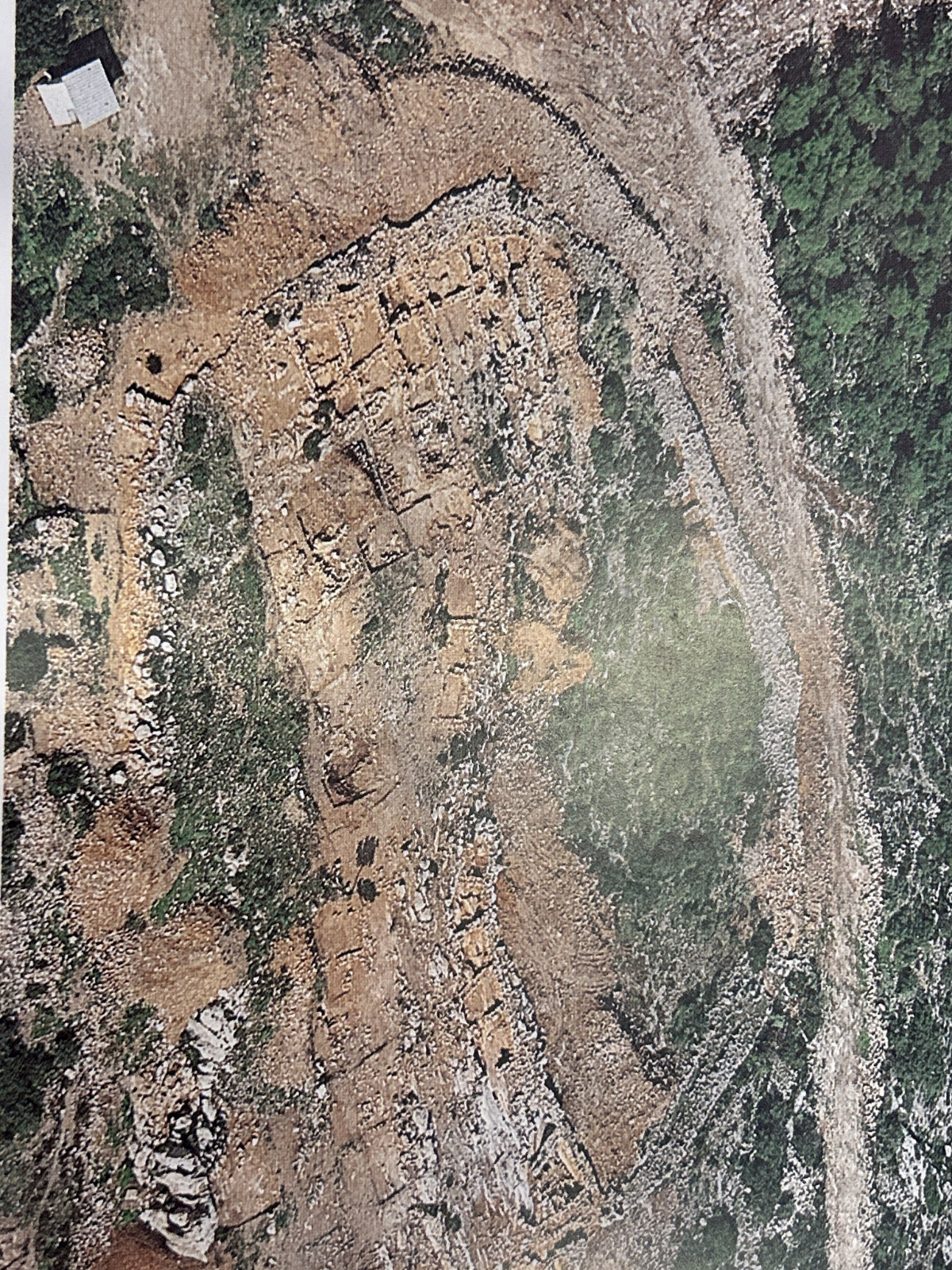
That's a shame. Because the land you're rushing through has been quietly accumulating history for five thousand years.
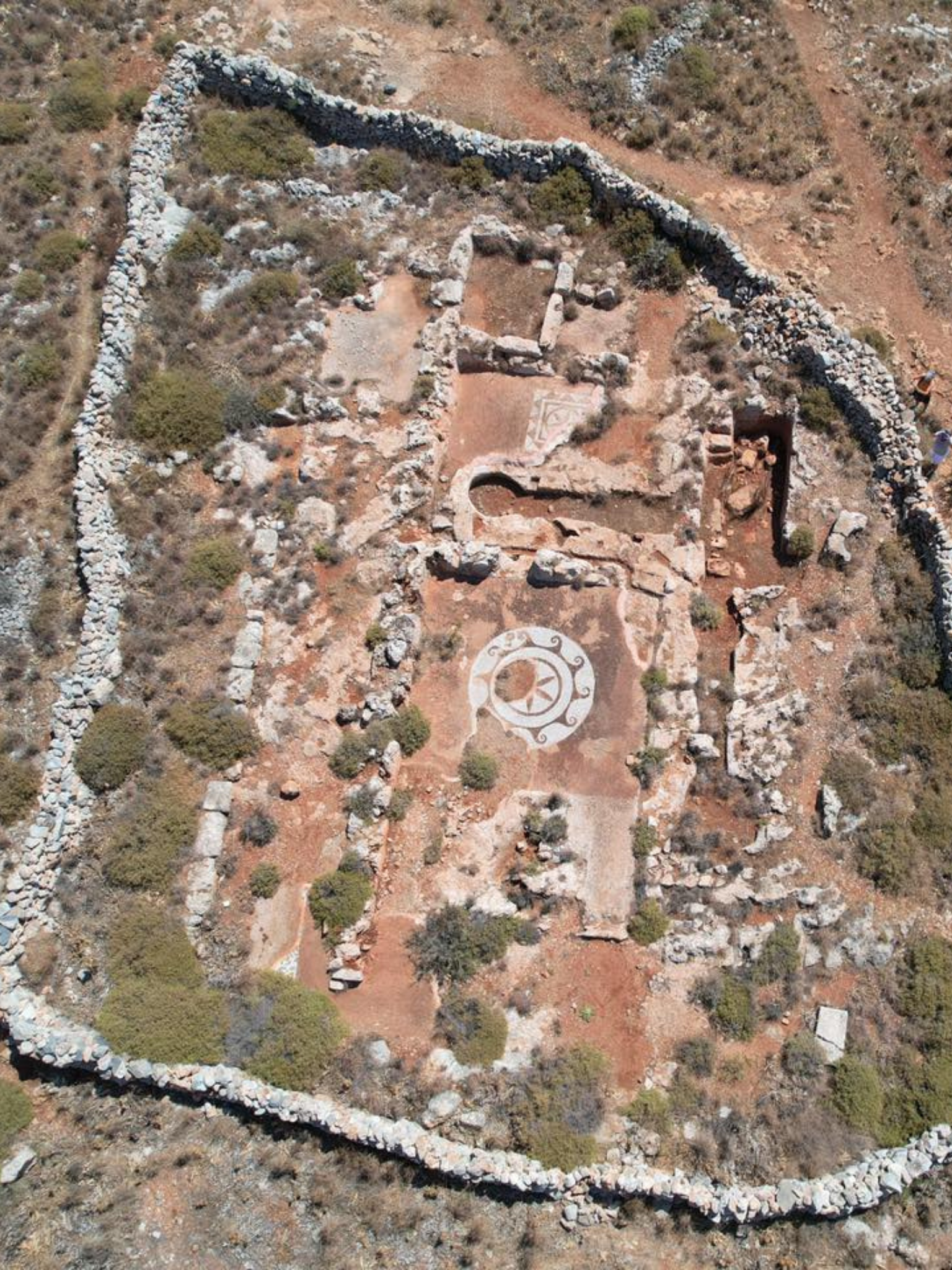
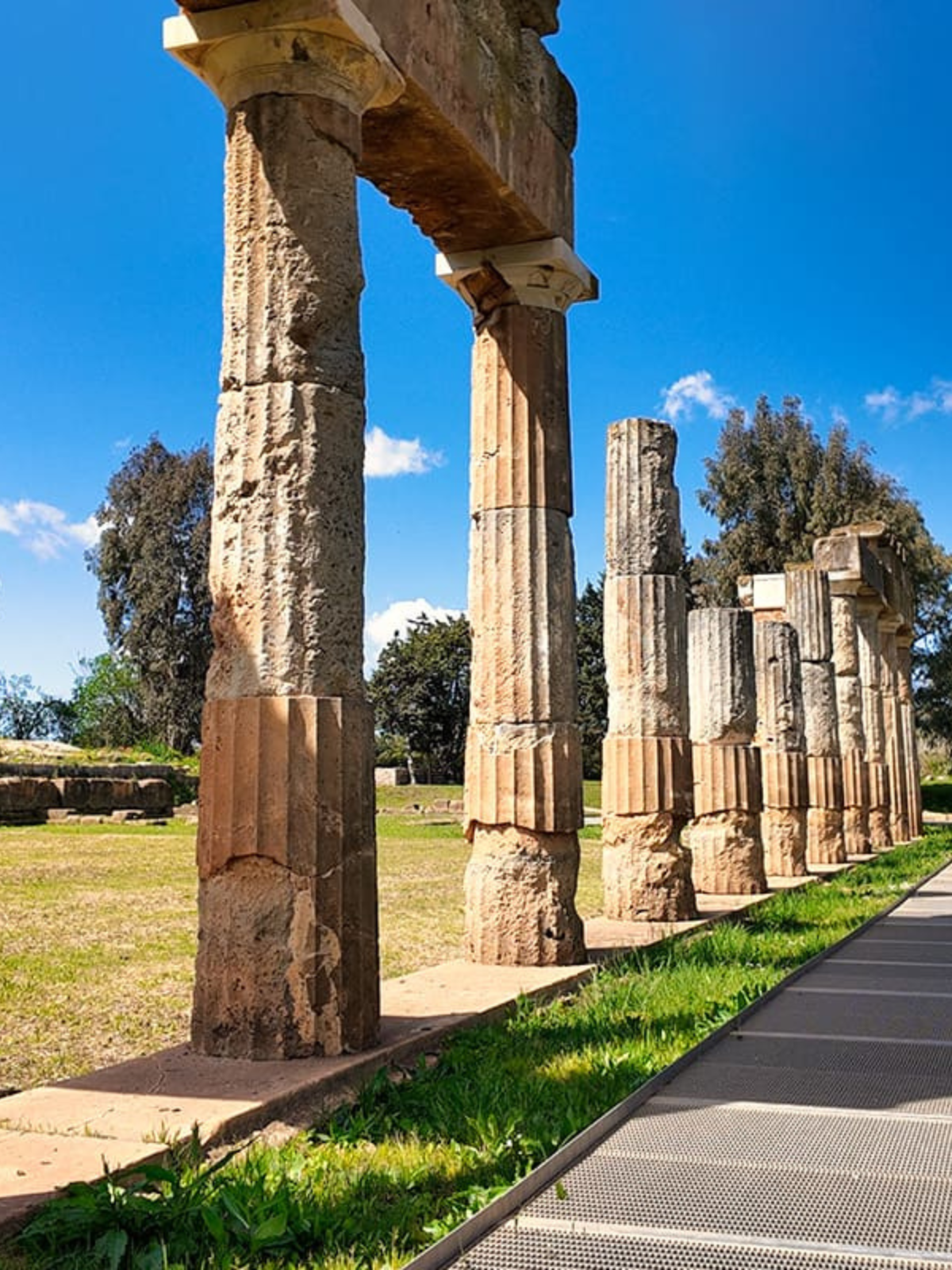
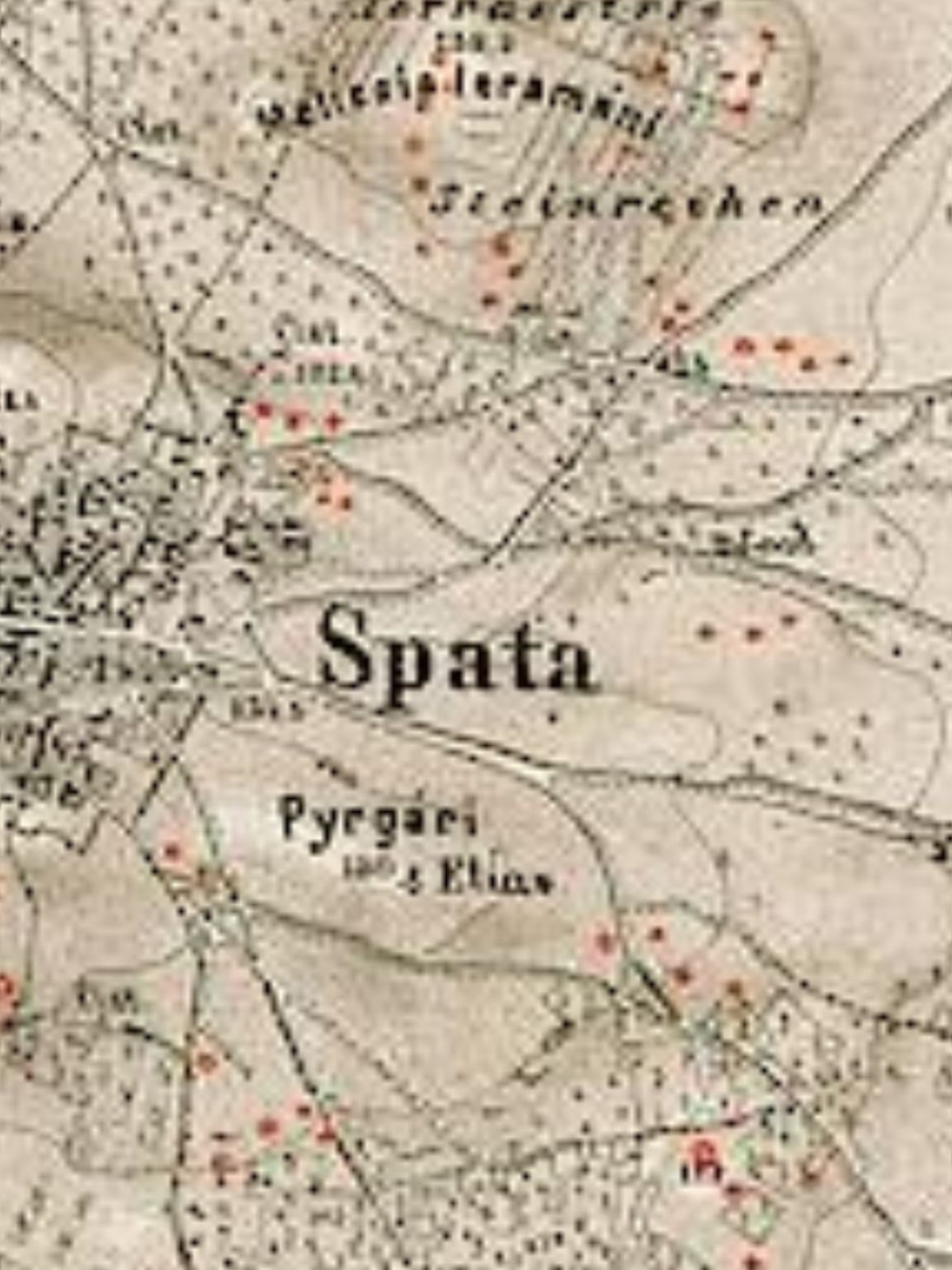
Spata sits just five kilometres from the airport — close enough that you can hear the planes, far enough that the vines grow undisturbed, the old churches keep their silence, and the town gets on with being itself. It's a place where ancient ruins and Byzantine churches stand alongside vineyards and family wineries Matt Barrett's Guides to Greece and the Greek Islands, all within a short drive of the city. Most people never notice. That's exactly what makes it worth noticing.